


Who
Who are they?
Aspiring students, young professionals, or individuals considering a shift into design as a career. They could be high school or college students exploring career paths or working professionals looking to switch careers.
When are they asking this question and why?
They’re asking this question when they are uncertain about choosing design as a viable and sustainable career in India. They may have heard about design but aren’t sure about its scope, salary potential, job security, or educational requirements.
If they were in front of you right now, how would they be acting?
They’re asking this question when they are uncertain about choosing design as a viable and sustainable career in India. They may have heard about design but aren’t sure about its scope, salary potential, job security, or educational requirements.
These are some statements our customers might say:
- “I’m interested in design, but I don’t know if it’s a real career option in India.”
- “I’m confused about the different design fields. Which one has the most opportunities?”
- “Will I earn enough as a designer, or should I pursue something more conventional?”
Based on their answers, what do they need from you emotionally?
They need guidance, confidence, and reassurance. They want to know they’re making the right decision and that design can be a rewarding career both creatively and financially in India.
What
What are their initial questions?
- What are the different fields of design?
- Is design a stable career in India?
- How much do designers typically earn?
What are their follow-up questions, typically?
- What qualifications do I need to become a designer?
- How do I choose a design specialization?
- What are the best design schools in India?
- How can I secure a job in design?
What objections will they have to your answers?
- They might worry that design jobs are too competitive or that they won’t earn enough compared to other professions like engineering or medicine.
- They might fear that the design industry is too niche or lacks long-term growth.
Design as a Career
Stop me if you’ve heard this before: “You should be an engineer or a doctor. They’re the only stable career paths.” For years, many students in India have felt the pressure to follow traditional professions. But times are changing. Today, creativity is not just a hobby – it’s a career.
You might feel uncertain if you’ve ever considered design as a career option. Is it stable? Will it pay well? How do I even start in a country where engineering and medicine dominate the conversation? Well, you’re not alone. More and more students, professionals, and career changers are looking at design as a serious option. And here’s the good news: the design industry in India is booming. With the rise of digitalization, start-ups, and globalization, India’s need for designers across various fields has never been greater.
In this blog, you’ll learn everything you need to know about pursuing design as a career in India. You’ll discover the various design fields, the skills you’ll need, the best ways to get educated, and the career potential awaiting you. So, if you’re passionate about creativity and wondering if you can turn it into a successful career, read on. Let’s explore the world of design together.
Why Design is Gaining Popularity in India
Design as a career is no longer a niche. The industry has experienced a surge in popularity over the past decade, thanks to the rapid growth of digital platforms, start-up culture, and the creative economy. But why is design suddenly becoming a hot career choice in India?
One reason is the demand for user-centric experiences. Companies, especially in sectors like e-commerce, tech, and entertainment, need designers to craft engaging, intuitive experiences. Think about the apps you use daily – from shopping on Myntra to streaming on Netflix – all of them rely on smart design to hook you in and keep you engaged. User Experience (UX) and User Interface (UI) design have become some of the most sought-after skills as businesses look to stand out in a crowded digital landscape.
Additionally, with India’s thriving start-up ecosystem, entrepreneurs are realising the value of good design in everything from branding to product development. Start-ups like Zomato, Swiggy, and Paytm wouldn’t be where they are today without design teams creating user-friendly apps, memorable logos, and sleek interfaces.
Another area where design has flourished is in fashion and lifestyle. With increasing global exposure, Indian consumers have become more brand-conscious, and fashion design has grown into a lucrative and exciting field. Designers like Sabyasachi Mukherjee and Manish Malhotra have made Indian fashion renowned worldwide, proving that creativity can lead to global success.
Different Fields of Design
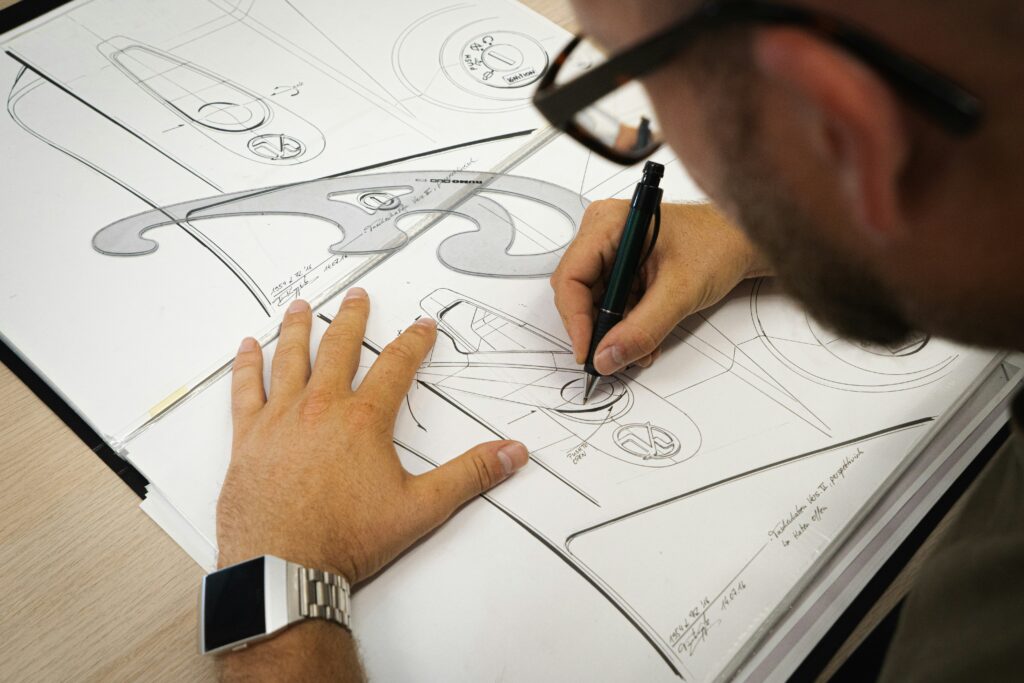
Industrial Design
Industrial Design focuses on designing products that are both functional and aesthetically pleasing. These can range from household appliances to automobiles, electronics, and medical devices. Industrial designers collaborate with engineers and manufacturers to ensure that their designs are practical, cost-effective, and user-friendly.
- Where can you work? Manufacturing companies, automotive industries, product development firms, tech companies.
- Skills needed: 3D modelling software (AutoCAD, SolidWorks), materials knowledge, prototyping, ergonomics.
User Experience (UX) Design
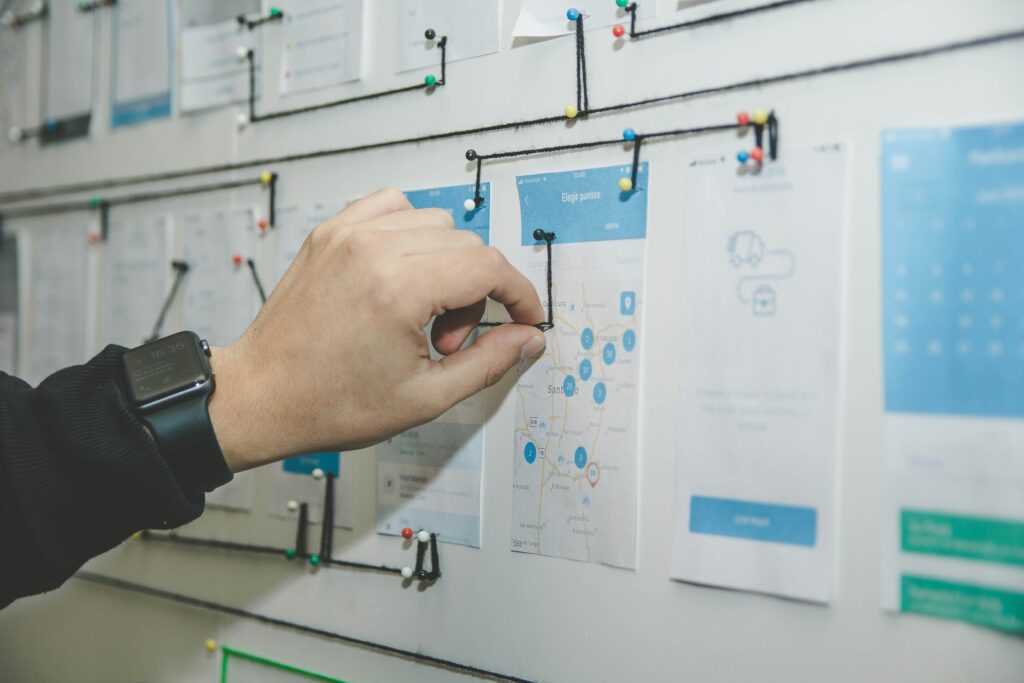
User Experience (UX) Design focuses on enhancing the overall interaction a user has with a product, particularly digital products like websites, apps, or software. The goal is to make these interactions seamless, enjoyable, and efficient. UX designers perform user research, create wireframes, and test prototypes to ensure products meet the needs of their audience.
- Where can you work? Tech companies, product-based companies, start-ups, consulting firms.
- Skills needed: Prototyping tools (Figma, Sketch, Adobe XD), user research, wireframing, usability testing.
User Interface (UI) Design
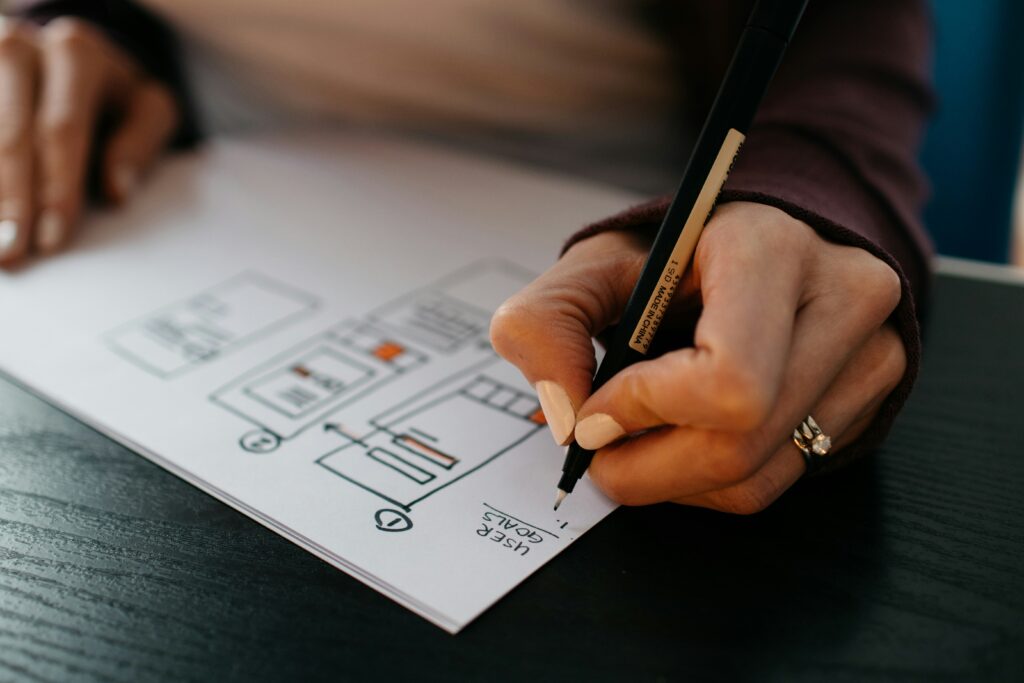
User Interface (UI) Design complements UX design by focusing on the look and feel of a product’s interface. UI designers ensure that the user-facing elements are visually appealing, intuitive, and aligned with the brand’s visual identity.
- Where can you work? App development companies, digital marketing agencies, tech firms.
- Skills needed: Colour theory, typography, layout design, prototyping tools.
Graphic Design
- Graphic designers craft visual content for a variety of purposes, including branding, marketing, and communication. They create logos, brochures, advertisements, social media graphics, and much more. As businesses increasingly move online, graphic designers play a pivotal role in shaping brand identities and visual communication strategies.
- Where can you work? Advertising agencies, corporate marketing teams, publishing houses, freelance.
- Skills needed: Adobe Creative Suite (Photoshop, Illustrator, InDesign), typography, branding, layout design.
Packaging Design
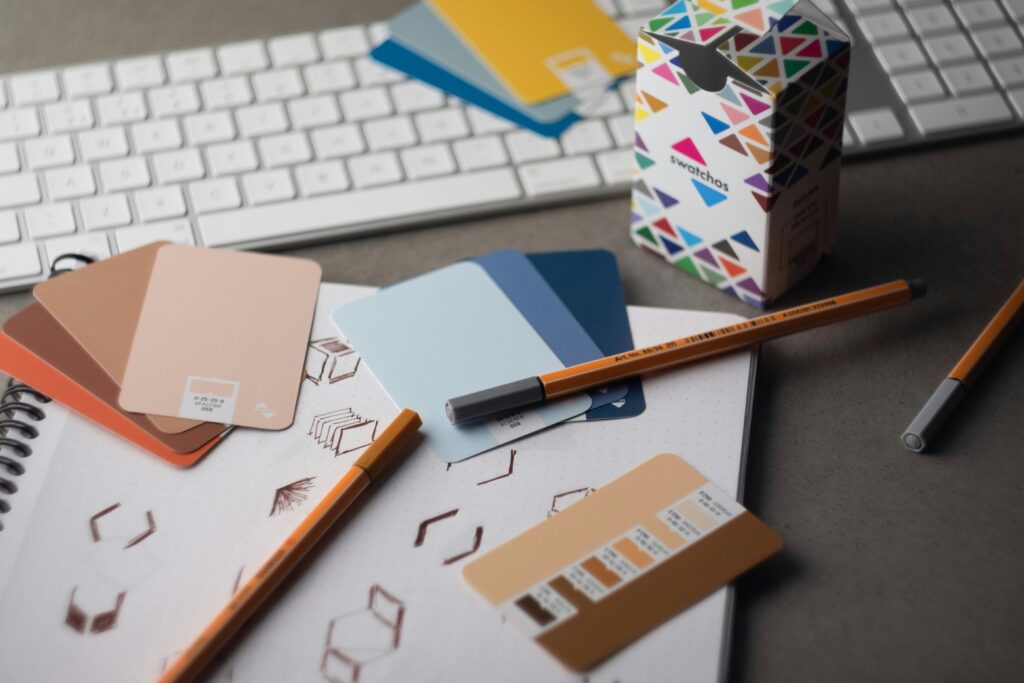
Packaging Design is all about creating appealing, functional, and sustainable packaging for products. This field requires designers to balance aesthetics with practicality – the packaging must protect the product, be easy to use, and visually communicate the brand. Sustainability is becoming increasingly important, so eco-friendly packaging solutions are in high demand.
- Where can you work? Consumer goods companies, design studios, manufacturing firms, FMCG industries.
- Skills needed: Graphic design, structural engineering, material science, branding, sustainability practices.
Fashion Design
Fashion design blends creativity with commercial appeal, allowing designers to create clothing and accessories that meet the demands of consumers while expressing artistic vision. With India’s growing fashion and retail industry, there are opportunities in both haute couture and mass-market fashion.
- Where can you work? Fashion houses, retail brands, boutique studios, freelance.
- Skills needed: Fashion illustration, sewing, pattern making, fabric knowledge, trend forecasting.

Product Design
Product designers work on creating tangible products that meet the needs of consumers while offering innovative and functional solutions. Whether it’s a smartphone, furniture, or kitchen appliance, product designers are involved in every step, from conceptualization to production.
- Where can you work? Consumer electronics companies, start-ups, product development firms, industrial design consultancies.
- Skills needed: CAD software (SolidWorks, Rhino), 3D printing, materials research, ergonomics, user testing.
Service Design
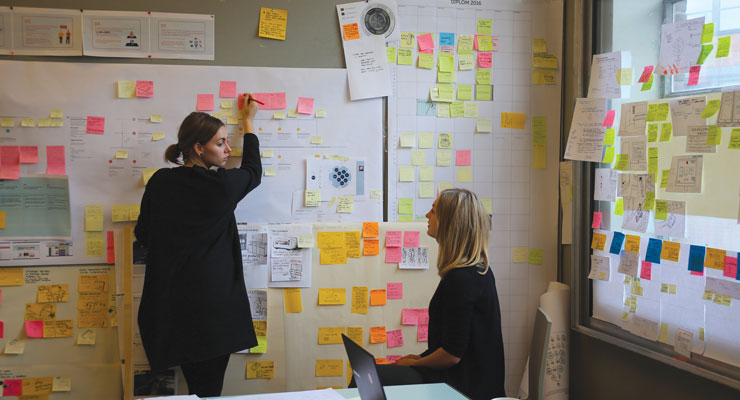
- Service design focuses on creating and improving services to enhance user experience and ensure efficient delivery. Designers in this field map out entire service processes, touchpoints, and interactions to meet the needs of both service providers and customers, while ensuring a seamless, user-centered experience.
- Where can you work? Design consultancies, service-based companies (retail, healthcare, finance), government agencies, freelance.
- Skills needed: Journey mapping, stakeholder research, prototyping, UX design, process optimization, empathy mapping, business strategy.
Information Design
Information designers focus on making complex data understandable and visually appealing. This is crucial for businesses and organizations that need to present data in reports, infographics, or dashboards. The goal is to make information clear, engaging, and easy to navigate.
- Where can you work? Data science companies, journalism, consulting firms, government agencies.
- Skills needed: Data visualization tools (Tableau, Power BI), graphic design, layout design, data analysis.
Transport Design
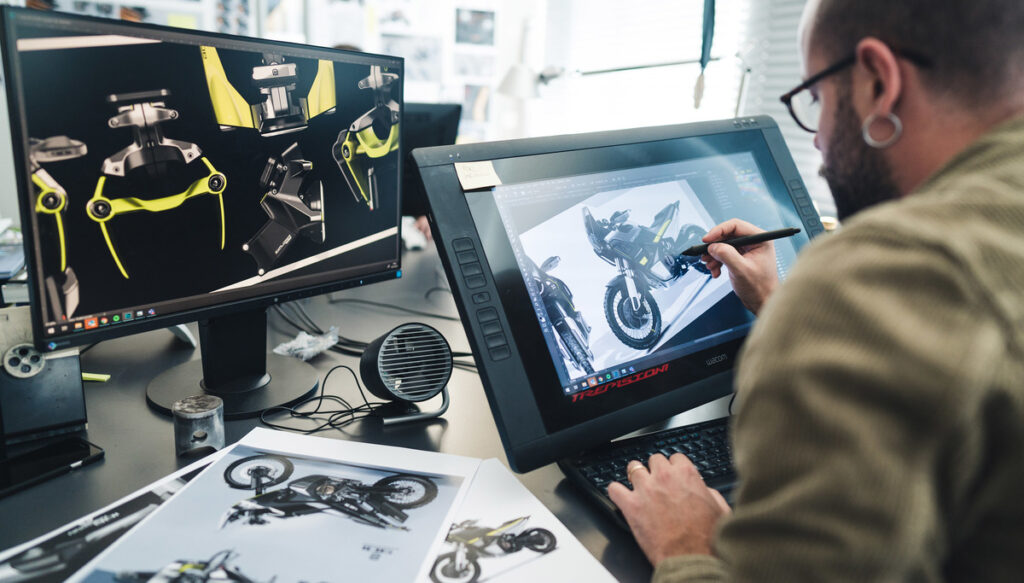
Transportation design focuses on the creation and development of vehicles, ranging from cars, bikes, and aircraft to public transit systems. Designers in this field fuse aesthetics, functionality, and engineering to craft innovative and efficient modes of transportation, emphasizing sustainability, user experience, and cutting-edge technology.
- Where can you work? Automotive companies, aircraft manufacturers, design consultancies, public transportation authorities, freelance.
- Skills needed: Sketching, 3D modeling (Alias, Rhino), CAD (CATIA), aerodynamics, materials knowledge, user experience design, sustainability practices.
Architecture
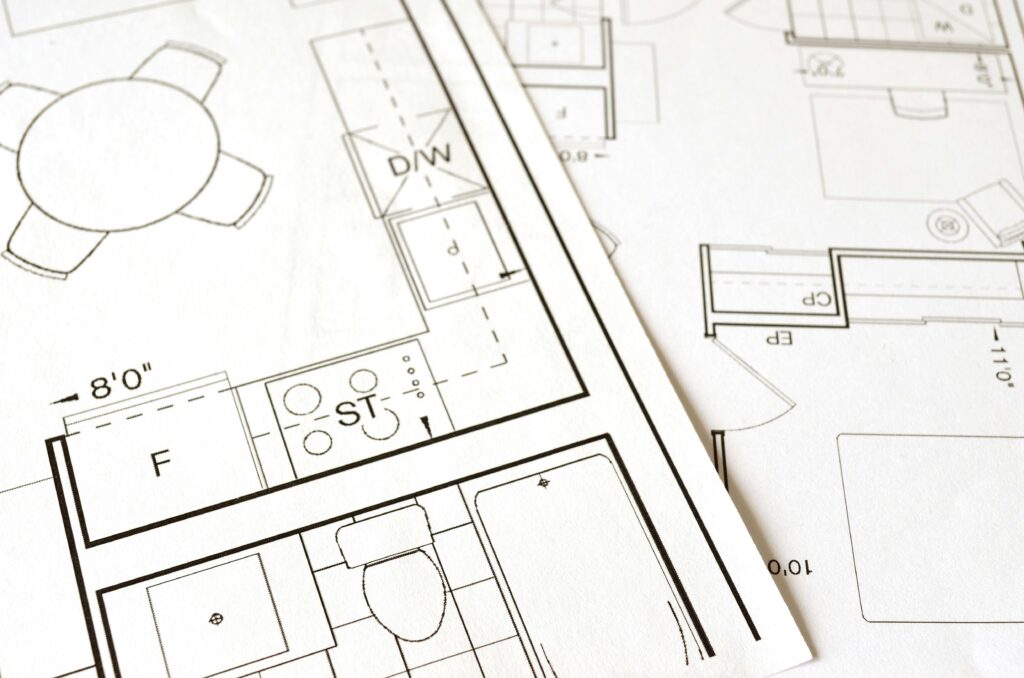
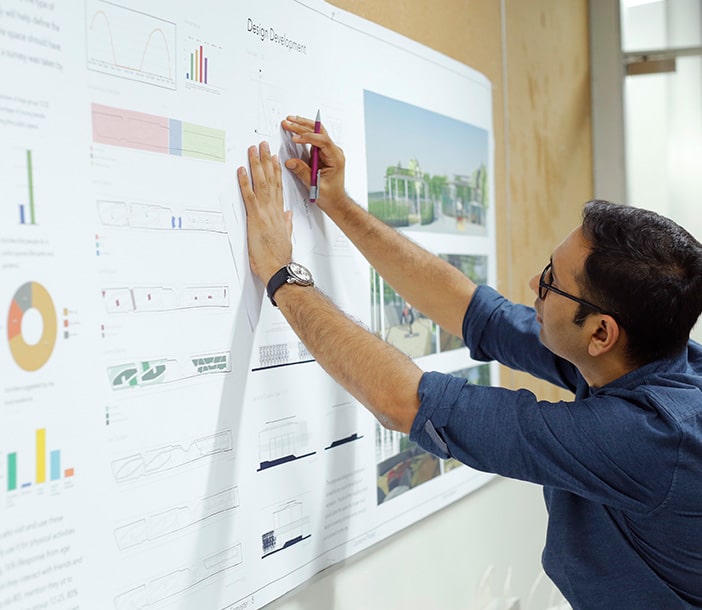
Architecture is the art and science of designing buildings and spaces that are functional, aesthetically pleasing, and sustainable. Architects integrate form, function, and technology to create spaces that address human needs while considering environmental and cultural factors.
- Where can you work? Architectural firms, construction companies, urban planning departments, freelance.
- Skills needed: Architectural drawing, 3D modeling (Revit, Rhino), knowledge of building codes, structural engineering, sustainability, project management.
Interior Design
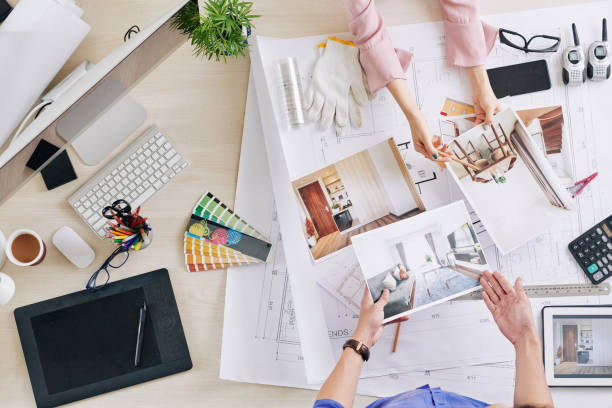
Interior designers enhance the functionality, aesthetics, and safety of spaces, whether it’s homes, offices, or public spaces. They choose colour schemes, furniture, lighting, and materials to create environments that are both beautiful and functional.
- Where can you work? Architecture firms, real estate companies, freelance.
- Skills needed: CAD software (AutoCAD, SketchUp), spatial planning, colour theory, knowledge of materials.
Animation and Game Design
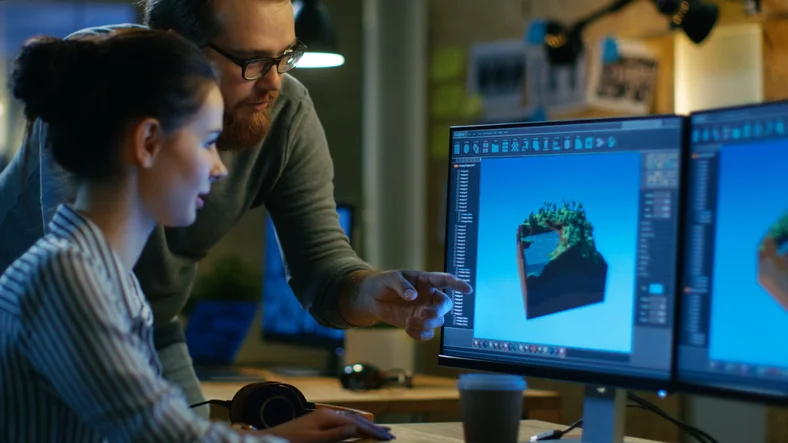
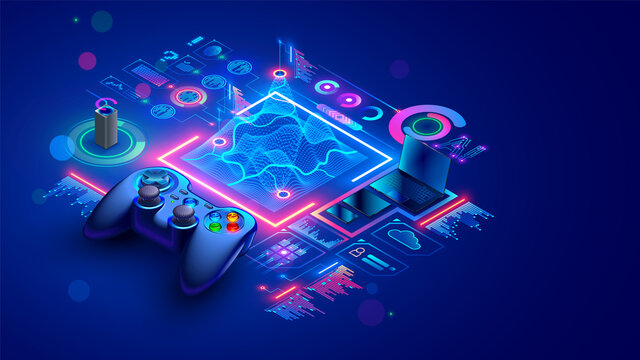
Animation and game design are booming industries, with demand for skilled professionals in film, television, gaming, and digital media. Designers in this field create immersive worlds, characters, and storylines, blending creativity with technology to entertain and engage users.
- Where can you work? Animation studios, game development companies, VFX studios, freelance.
- Skills needed: 3D modelling (Maya, Blender), storytelling, character design, coding (for games).
Communication Design
Communication design is about crafting visual and interactive content to convey messages clearly and effectively. Designers in this field work with typography, imagery, and digital tools to create branding, advertising, and multimedia communications that engage and inform audiences.
- Where can you work? Advertising agencies, graphic design studios, publishing companies, digital marketing firms, freelance.
- Skills needed: Graphic design (Adobe Creative Suite, Figma), typography, branding, visual storytelling, digital media design, layout design, motion graphics.
Universal Design
Universal design is the practice of creating products, environments, and services that are accessible to all people, regardless of age, ability, or disability. Designers in this field focus on inclusivity, ensuring their creations meet the diverse needs of users while promoting equality and usability.
- Where can you work? Product design firms, urban planning agencies, architecture firms, healthcare providers, accessibility consulting, freelance.
- Skills needed: Inclusive design principles, ergonomics, accessibility standards (ADA, WCAG), human-centered design, usability testing, environmental design.
Educational Pathways and Qualifications
One of the first questions you might have when considering a design career is:
What education do I need to become a designer?
Fortunately, design is a field where creativity and practical skills often outweigh formal degrees. However, having a structured educational foundation can help you master the skills and knowledge required to thrive in your chosen design field.
Essential Skills for a Career in Design
- Creativity: The ability to think outside the box and generate innovative solutions.
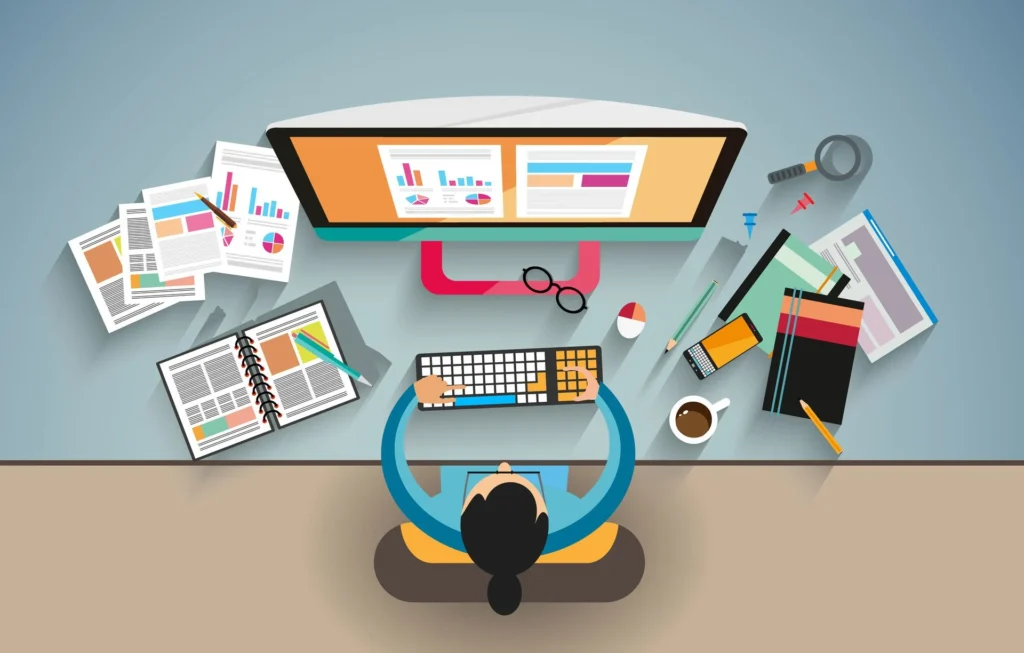
- Technical Proficiency: Mastery of design software relevant to your field, such as CAD for industrial design or Adobe Creative Suite for graphic and UX/UI design.
- Problem-Solving Abilities: Being able to approach design challenges analytically and develop effective solutions.
- Communication Skills: The capability to clearly present design concepts to clients, stakeholders, and team members.
- Attention to Detail: A meticulous approach to ensure that designs meet high-quality standards.
- User-Centered Thinking: Prioritizing the needs of users in every design decision.
- Adaptability: Keeping pace with new trends, technologies, and evolving design practices.
Market Value of Design in India
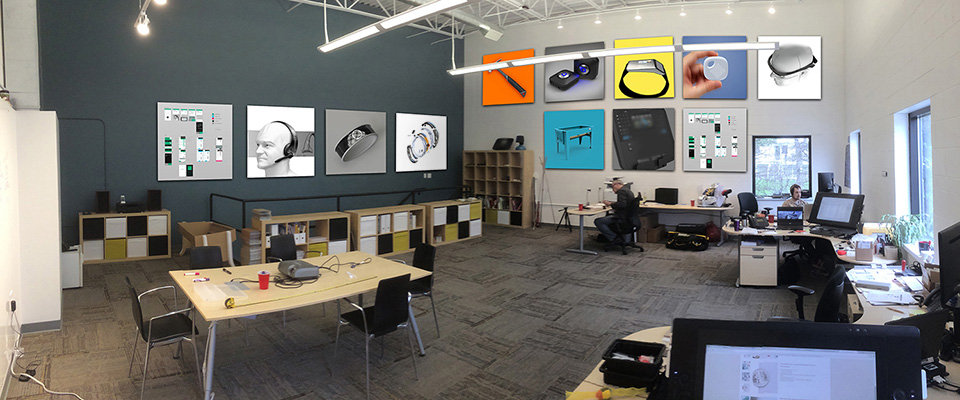
In India, the design industry is growing rapidly, driven by increasing consumer demand for quality and innovation. The market value of design professionals varies based on experience, specialization, and location. Here are some insights:
- Entry-Level Positions: Fresh graduates can expect to earn between ₹3-5 lakhs per annum, depending on their domain and location.
- Mid-Level Positions: With a few years of experience, designers can earn between ₹6-12 lakhs per annum.
- Senior-Level Positions: Experienced designers, especially those in leadership or specialized roles, can earn upwards of ₹15 lakhs per annum.
The demand for designers is on the rise in India, with opportunities across various sectors, including technology, consumer goods, healthcare, and retail.
Career Development and Job Insights
- Education: A formal education in design from a reputable institution provides a strong foundation for success.
- Portfolio Building: A diverse portfolio showcasing your skills is essential for attracting employers and clients.
- Networking: Engage with industry professionals and attend design events to open doors to new opportunities.
- Continuous Learning: Stay updated with the latest design trends, tools, and technologies to stay competitive.
Global Design Trends Shaping the Industry
The design industry is constantly evolving, with emerging trends driving change:
- Sustainability: Designers are increasingly focused on creating eco-friendly solutions that minimize environmental impact.
- Digital Transformation: With the rise of digital products and services, UX/UI and interaction design are becoming critical areas of expertise.
- User-Centric Design: More than ever, the focus is on creating personalized experiences that cater to the unique needs of each user.
Future Outlook and Growth Potential
India’s design industry is expected to grow rapidly, thanks to the increasing digitalisation of businesses, the booming start-up ecosystem, and the country’s integration into the global marketplace. Sectors like UX/UI design, industrial design, and fashion design are expected to see the most growth in the coming years, as consumer demands evolve and new technologies emerge.
Overall, design is no longer an “alternative” career path in India. It’s a field where creativity meets opportunity, with a growing demand for innovative thinkers and problem-solvers. Whether you choose to work for a company, freelance, or start your own venture, design offers both personal fulfilment and financial stability if you’re willing to keep learning and adapting.
Challenges in the Design Industry
While design is an exciting and rewarding career path, it comes with its own set of challenges. As with any industry, success in design requires perseverance, continuous learning, and adaptability. Here are some of the key challenges designers face in India:
Competition
Design is becoming an increasingly popular career option, leading to a rise in the number of designers entering the job market each year. Whether you’re pursuing graphic design, UX/UI, or fashion, the competition for jobs and clients can be intense. To stand out, you need to continually hone your skills, build a strong portfolio, and stay updated on the latest trends.
- How to overcome it: Regularly update your portfolio with quality work, develop a personal brand, and network within the industry. Don’t hesitate to take on internships, freelance work, or collaborations that help you gain real-world experience and build connections.
Client Management
For freelance designers, managing clients is often more challenging than the design work itself. Many clients may not fully understand the value of design or have unrealistic expectations about timelines, budgets, or the creative process. Negotiating contracts, handling feedback, and balancing multiple projects can be demanding.
- How to overcome it: Setting clear expectations upfront, using contracts, and communicating transparently about project scope and deadlines can help. It’s also crucial to educate clients about your design process and why certain decisions are made, ensuring they appreciate the thought and work that goes into your designs.
Inconsistent Income (For Freelancers)
Freelancers in the design industry often experience fluctuations in income. You might have a period of high-paying projects followed by a lull in work. This inconsistency can make it challenging to manage finances or plan for the long term, especially in the early stages of a freelance career.
- How to overcome it: Diversify your income streams by taking on different types of projects, such as retainer clients, one-off gigs, and passive income opportunities like selling design templates or online courses. Building a financial cushion to handle slower months is also critical.
Keeping Up with Trends and Technology
Design is an ever-evolving field, and the skills that are in demand today may not be relevant tomorrow. Whether it’s new design software, UX/UI tools, or visual trends, designers must stay updated with the latest advancements to remain competitive in the market.
- How to overcome it: Invest in continuous learning. Regularly take online courses, attend workshops, and join design communities to stay current with new tools and trends. Follow industry influencers and participate in design challenges to sharpen your skills.
Building a Portfolio Without Experience
For those just starting out, especially students or career changers, building a portfolio can be a daunting challenge. Without real-world projects or clients, it can feel difficult to showcase your design abilities and attract potential employers or clients.
- How to overcome it: You don’t need to wait for paid projects to build a portfolio. Create personal projects, redesign existing websites or apps, or offer pro bono work for non-profits or small businesses. These projects can demonstrate your creativity and problem-solving skills even if they’re not commissioned by a client.
Perception of Design in Traditional Sectors
In India, some traditional industries and organisations may still undervalue the importance of design, viewing it as an optional or secondary function. Designers may struggle to convince stakeholders of the strategic value that good design can bring to a business, such as improved user experience, brand loyalty, or increased sales.
- How to overcome it: Communicate the value of your work by showing how good design leads to tangible business outcomes. Use metrics such as conversion rates, user engagement, or brand awareness to demonstrate the return on investment that design can provide.
Balancing Creativity with Client or Market Demands
Design is a balance between creativity and practicality. Often, designers may have to compromise their creative vision to align with a client’s expectations or market demands. Working within strict guidelines, tight deadlines, or limited budgets can sometimes feel constraining.
- How to overcome it: Understand that design is about problem-solving, not just artistic expression. Use creative constraints as a challenge to innovate. Build strong relationships with clients or employers so that you can effectively advocate for creative ideas that still meet the business’s needs.
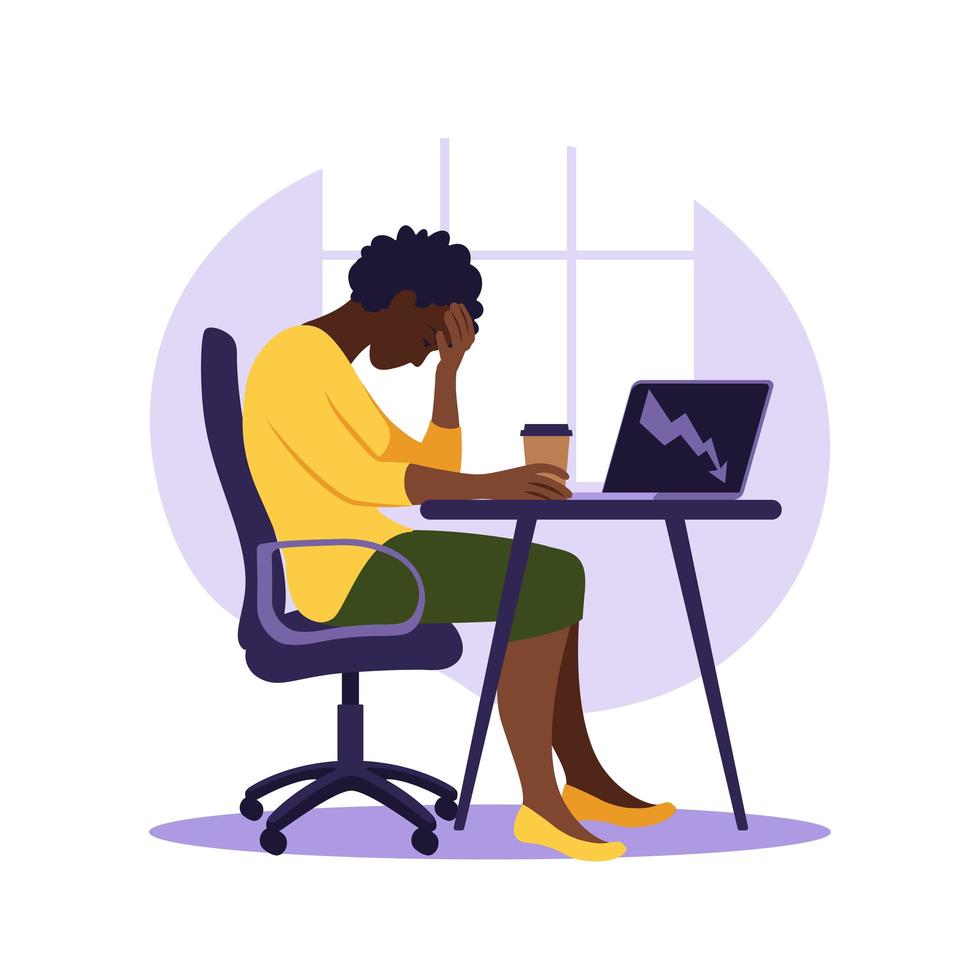
Burnout
Designers often work long hours, especially when managing multiple clients or projects. The pressure to constantly innovate, meet deadlines, and satisfy clients can lead to burnout, which in turn affects creativity and productivity.
- How to overcome it: Prioritise work-life balance by setting boundaries, taking regular breaks, and learning to say no to projects that overextend your capacity. Use project management tools to organise your workload and avoid last-minute stress.
Overcoming the Challenges: A Path to Success
Despite these challenges, pursuing a career in design can be incredibly rewarding if you’re passionate and committed. The key to overcoming these obstacles lies in adaptability and continuous learning. Here are some tips to ensure long-term success:
- Stay connected: Join design communities, attend industry events, and seek out mentors who can offer guidance and opportunities.
- Build resilience: Understand that failure and setbacks are part of the journey. Use them as learning experiences and continue improving your craft.
- Focus on personal growth: Push yourself to try new things, take creative risks, and explore different aspects of design to keep your skills fresh and versatile.
While the road to becoming a successful designer in India may have its hurdles, those who are willing to put in the effort, learn from challenges, and adapt to the evolving landscape will find that design offers immense opportunities for growth and fulfillment.
Conclusion - Designing Your Future in India
In today’s dynamic world, design is no longer just about aesthetics – it’s about solving real-world problems, enhancing user experiences, and shaping the way people interact with products, spaces, and information. Choosing design as a career in India opens doors to an exciting and evolving field that spans industries like technology, fashion, manufacturing, advertising, and beyond.
While pursuing design comes with challenges like competition, client management, and staying up-to-date with trends, it also offers immense rewards. Designers have the chance to create impactful, innovative solutions that influence how we live and work. The potential for personal fulfillment and financial success is high, whether you choose to work for a company, freelance, or even start your own studio.
As India embraces creativity and innovation across various sectors, now is the perfect time to explore a career in design. With the right education, a strong portfolio, and a passion for continuous learning, you can turn your creativity into a fulfilling and successful profession.
So, if you have the spark of creativity and a desire to build meaningful experiences, design is the perfect path for you.
Hey future designers!
As you step into the world of design, remember this: design isn't just about making things look good; it's about creating with purpose. Whether you're crafting a product, shaping a user experience, or imagining a new space, every decision you make has the power to solve problems and bring joy to people’s lives. Pursue your passion with full heart and always design with intention. Stay curious, stay creative, and aim to exceed expectations – because when you design with purpose, you not only fulfill your own dreams but help others in ways you might never have imagined.