

Creativity & innovation Project | Individual | 2024
Guide - Dr. Rajkumar G

Brief
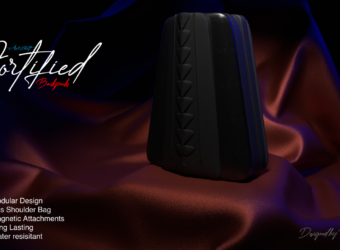
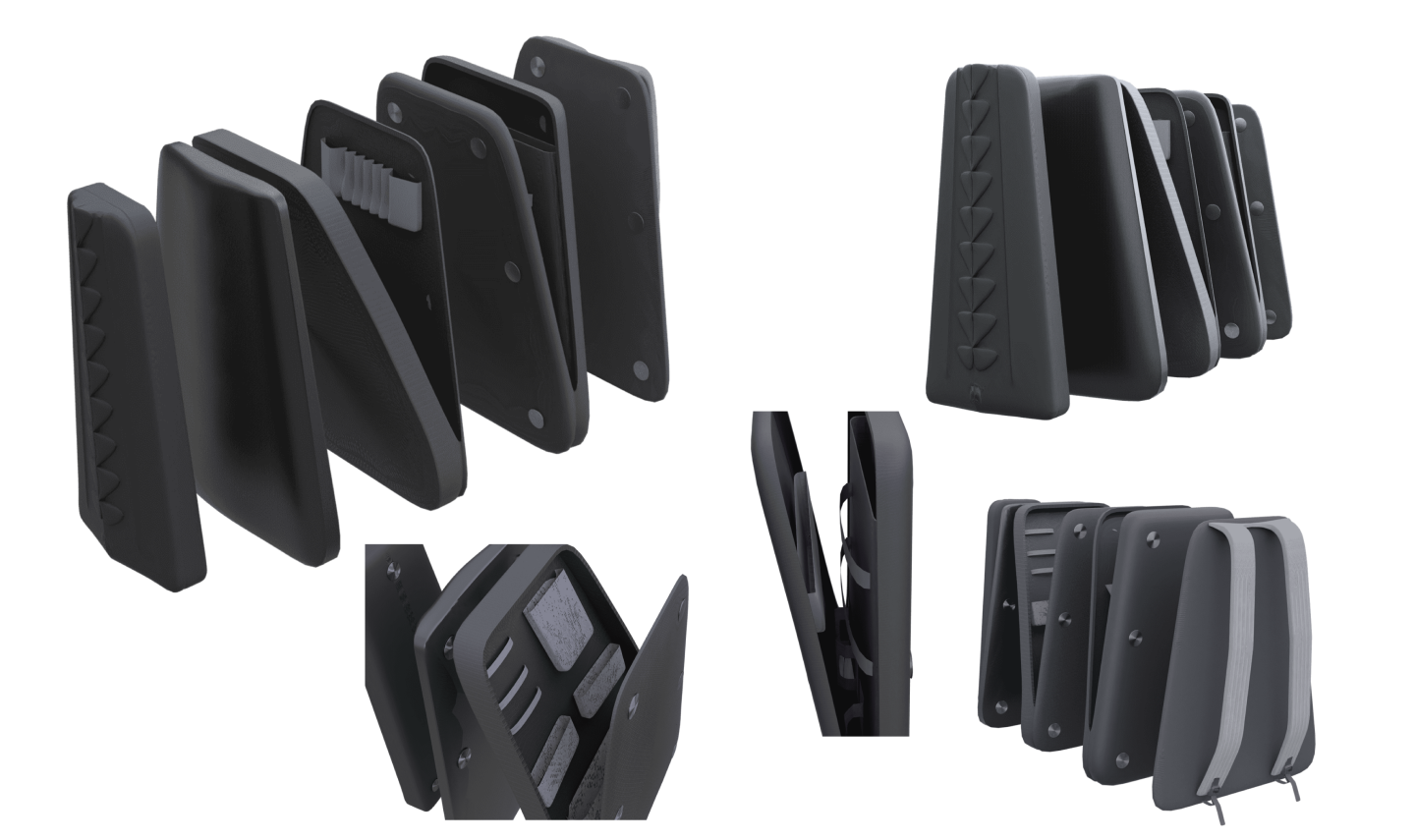
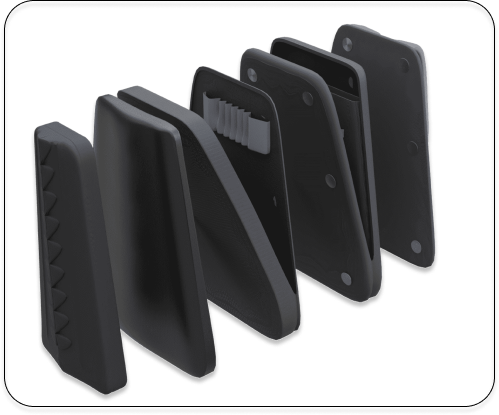
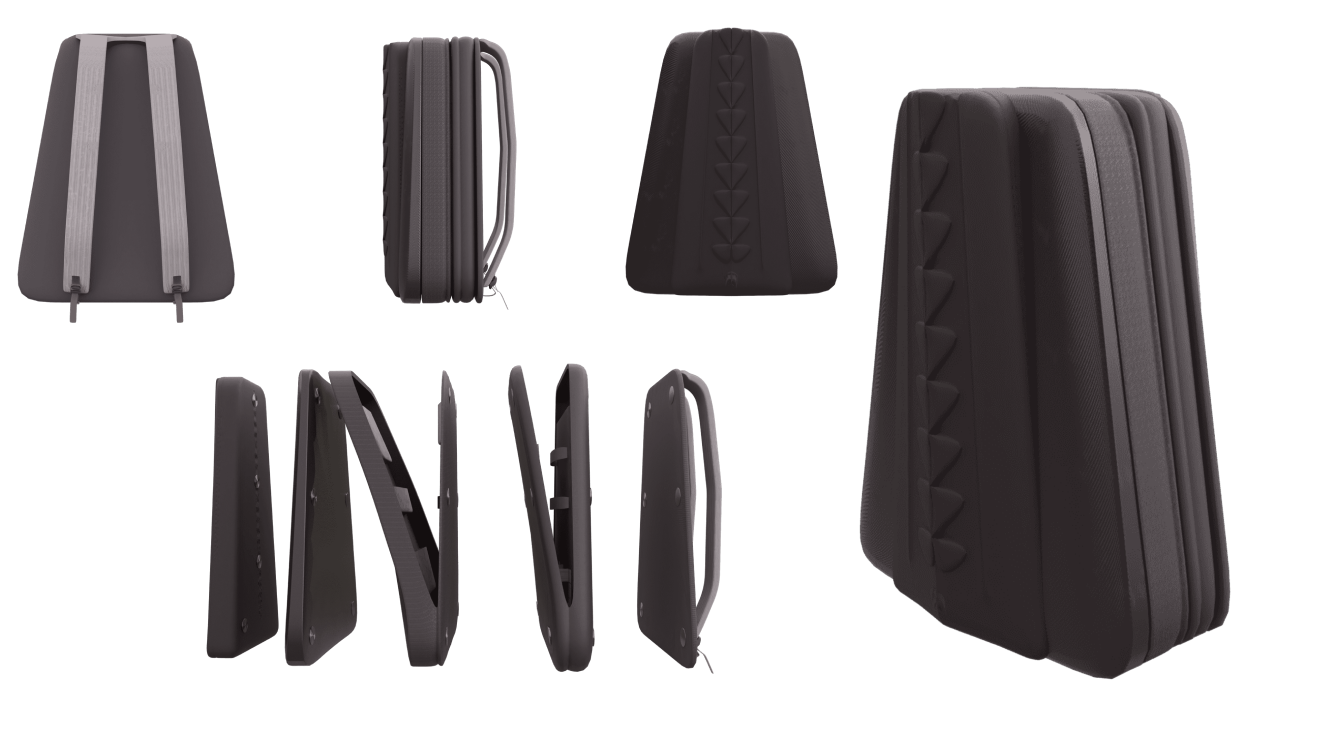
This project focuses on designing and developing an anti-theft backpack tailored specifically for designers working in urban environments. Designers often carry valuable laptops, delicate design tools, and sensitive documents critical to their creative work, necessitating a backpack with robust security features, efficient organization, ergonomic comfort, and a stylish aesthetic.
The abstracted backpack aims to address current shortcomings in security and functionality by incorporating advanced measures such as hidden zippers, RFID protection, and cut-resistant materials. Modular compartments will be designed to optimize storage and accessibility for laptops and design tools, enhancing workflow efficiency. Ergonomic considerations include adjustable straps and breathable materials to ensure comfort during extended wear. Furthermore, the backpack's aesthetic will blend professionalism with contemporary design sensibilities, reflecting the style preferences of designers. By integrating these features, this project aims to deliver an innovative solution that meets the practical needs of designers and enhances their overall experience in urban settings.
What
Anti Theft BackPack
Why
Course Project
Category
Product Design
My Role
I led the redesign of a backpack, focusing on improving its functionality, ergonomics, and aesthetic appeal. My role involved researching user needs, particularly for frequent travelers and students, and integrating features like optimized storage compartments, adjustable straps, and durable materials. I ensured the backpack was both practical and stylish, with an emphasis on comfort during extended use.
Software Used


Problem Statement
Electric kettles, while functional, often lack the aesthetic appeal and advanced features that align with premium consumer expectations. Users frequently face issues with temperature control, energy efficiency, and durability. Additionally, current market options often do not integrate seamlessly with the high-end, luxurious environments they are placed in. This project aims to address these issues by conceptualizing an electric kettle that embodies the Lexus design language, bringing luxury, functionality, and advanced technology to everyday kitchen appliances.
Lexus is venturing into the consumer electronics market with its first electric kettle, it is reasonable to assume that their initial focus would be on developing a product that meets or exceeds the existing standards of electric kettles.While it is possible that Lexus could introduce some unique or distinctive features to differentiate their kettle from competitors, it is more likely that their innovation would be built upon the existing foundation of electric kettles rather than introducing a radically new concept.
Scope
- Develop advanced security features that are intuitive and user-friendly.
- Ensure the design is lightweight, ergonomic, and visually appealing.
- Incorporate versatile storage solutions for different user scenarios.
- Use durable, sustainable materials that evoke the robustness of a fortress.
Key Consideration
- Balance between high security and user accessibility.
- Simplification of complex security features.
Integration of aesthetic elements suitable for various user demographics. - Enhancing comfort and reducing weight.
- Ensuring the backpack adapts to different usage contexts.
Key Issues
- Security: Lack of robust anti-theft features in current backpacks.
- Organization: Inefficient tool and gadget organization.
- Comfort: Poor ergonomic support leads to discomfort.
- Aesthetic: Desire for professional, stylish designs.
UX Bandwidth (common)
- Urban Commuters: Individuals traveling daily to work or school in urban areas.
- Travelers: Tourists and business travelers needing secure, reliable storage.
- Students: College and high school students carrying valuable items like laptops and books.
- Professionals: Office-goers who carry tech gadgets, documents, and personal items.
Outdoor Enthusiasts: People engaging in activities requiring secure storage of belongings.
Design Goals
- Implement advanced security measures like hidden zippers and RFID protection.
- Design modular compartments for efficient organization and quick access.
- Prioritize ergonomic comfort with adjustable straps and breathable materials.
- Create a sleek, contemporary design that reflects professional image and style.

Objective to Design
- Aesthetics vs. Functionality: Balancing style with security.
- High-Quality Materials: Increased costs and potential weight issues.
- Modular Design: Complexity and user-friendliness.
- Prototype Testing: Resource-intensive and critical for identifying flaws.
Bulky. - Rigorous Testing: Time-consuming and may still miss issues.
- Ergonomics: Combining comfort with security features.
- Power Solutions: Adding weight and cost.
- Anti-Theft Systems: Privacy concerns and operational challenges.
- Light Reflectors: Ensuring visibility without compromising design.
- Feature Promotion: Aligning marketing with user priorities.
- Waterproofing: Ensuring it’s seen as a valuable feature by the target market.
- Material Focus: Meeting diverse user expectations for style and quality.
Ergonomic Considerations

CMF Study
Urban Fortress

Colour
- Midnight Black & Black Pearl: Deep, non-reflective black for the main body, providing a stealthy and sophisticated look.
- Gunmetal Grey: For zippers, buckles, and trims, adding a sleek, metallic contrast.
- Subdued Olive: As a subtle accent on internal linings and stitching, evoking a military-inspired toughness.

Material
- Ballistic nylon is known for its exceptional strength and durability. Originally developed for military body armor, it’s resistant to abrasion, punctures, and tearing. The dense weave provides a robust texture and slight sheen.
- Kevlar fabric is renowned for its high tensile strength and heat resistance. It is typically used in applications requiring cut, tear, and puncture resistance while maintaining a lightweight and flexible profile. The fabric’s weave is designed to distribute force and enhance durability.
- Ripstop polyester is engineered to prevent tearing and ripping, characterized by its interwoven reinforcement threads that create a grid pattern. This material balances lightweight properties with enhanced durability and resistance to tearing.

Finishes
- Matte : Non-reflective, smooth surface with a subdued, modern look. Resistant to fingerprints and smudges, providing a clean and consistent appearance.
- Soft touch coating : Velvety, tactile surface that feels smooth and comfortable to the touch. Offers a non-slip grip and enhances the user experience. It is durable and resistant to scratches and abrasion.
- Glossy : Highly reflective, smooth surface with a shiny, polished look. Easy to clean but can show fingerprints and smudges. Offers a premium, modern aesthetic.

Organized Efficiency
Colour
- Jet Black: Dominates the exterior, offering an inconspicuous and authoritative appearance.
- Carbon Fiber Pattern: Subtle patterning in shades of dark grey for a high-tech, modern touch.
- Electric Blue: Highlighted in interior compartments and zippers, adding a burst of energy and visibility inside.
- High-Vis Yellow: Interior accents and stitching, providing high visibility and a dynamic contrast.

Materials
- Cut-Resistant UHMWPE Fabric: Ultra-high-molecular-weight polyethylene blends for the primary construction, providing superior cut and abrasion resistance.
- Silicone-coated polyester: On the bottom and side panels for added water resistance and durability.
- RFID-Blocking Fabric: Incorporated into pockets and linings to protect against electronic theft, ensuring the user’s peace of mind.

Finishes
- Brushed Metal: On external hardware like zipper pulls and buckles, offering a durable and visually striking contrast to the dark fabrics.
- Reflective Tape: Discreetly integrated into seams and straps for enhanced visibility and safety in low-light conditions.
- Embossed Texture: On certain panels, adding a tactile element that conveys the backpack’s rugged durability.

Urban Fortress
Colour
- Graphite Grey: Main color for the body, reflecting a strong, industrial feel.
- Burnt Orange: Accents in internal pockets and straps, providing a striking contrast and functional visibility.
- Stealth Black: Used for zippers, trims, and reinforcement areas, reinforcing the tough, secure look.
- Copper Bronze: Used for zippers and hardware, adding a warm, distinctive contrast.

Materials
- Jet Black: Dominates the exterior, offering an inconspicuous and authoritative appearance.
- Carbon Fiber Pattern: Subtle patterning in shades of dark grey for a high-tech, modern touch.
- Electric Blue: Highlighted in interior compartments and zippers, adding a burst of energy and visibility inside.
- High-Vis Yellow: Interior accents and stitching, providing high visibility and a dynamic contrast.

Finishes
- Jet Black: Dominates the exterior, offering an inconspicuous and authoritative appearance.
- Carbon Fiber Pattern: Subtle patterning in shades of dark grey for a high-tech, modern touch.
- Electric Blue: Highlighted in interior compartments and zippers, adding a burst of energy and visibility inside.
- High-Vis Yellow: Interior accents and stitching, providing high visibility and a dynamic contrast.

Ideation

Final Sketch

Final Product Renders

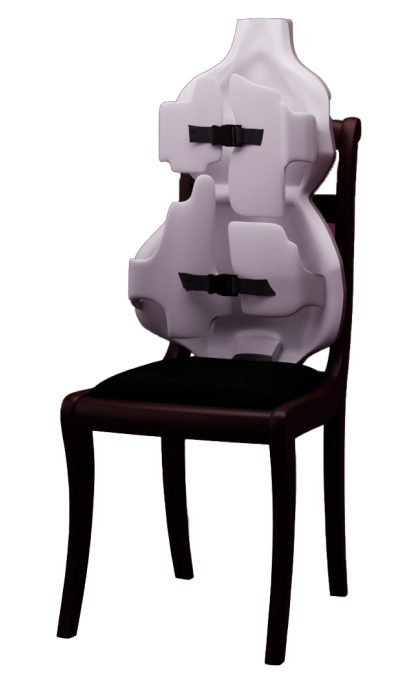
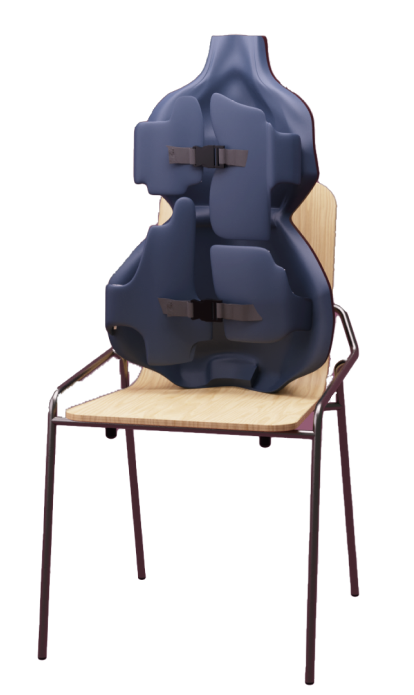
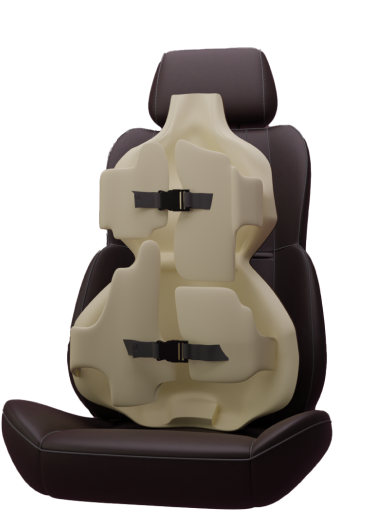
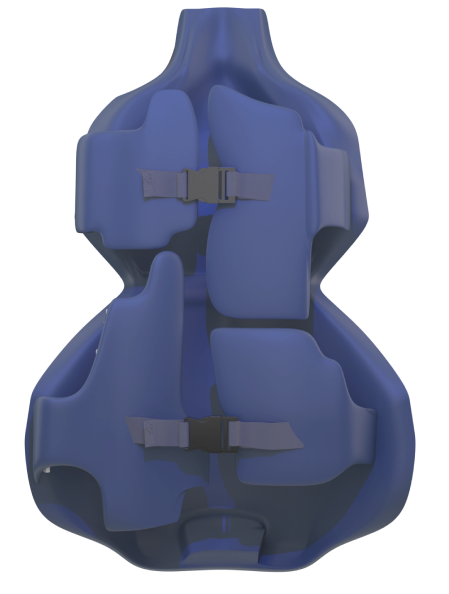
ScoliHug
Comfortably Embracing your Spine
Thesis Project | Individual | 2024
Guide - Prof. Gowthaman. E

Brief
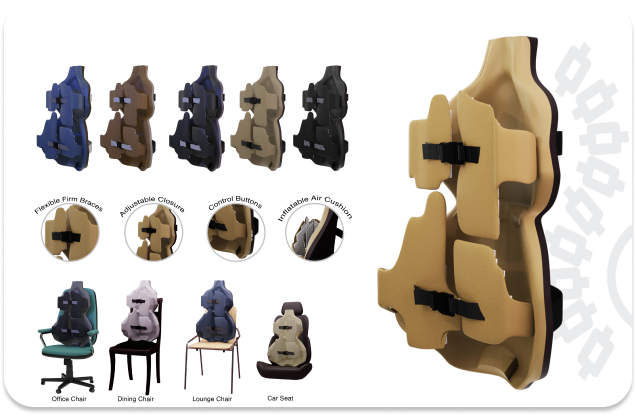
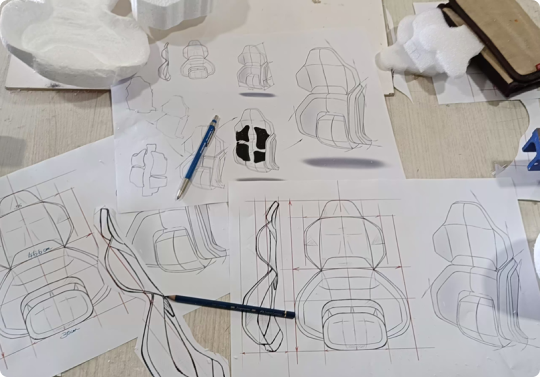
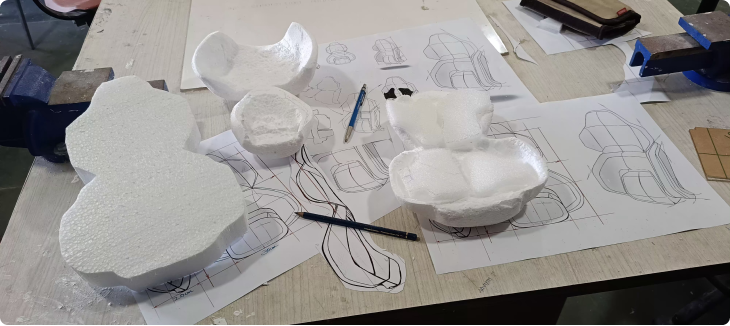
The goal is to layout a supplementary seating accessory tailor-made for people coping with Scoliosis. The primary purpose is to enhance consolation, guidance, and usefulness across numerous seating platforms. This accent has to cater to the particular needs and demanding situations faced by people managing those situations, supplying ergonomic aid and adaptability.
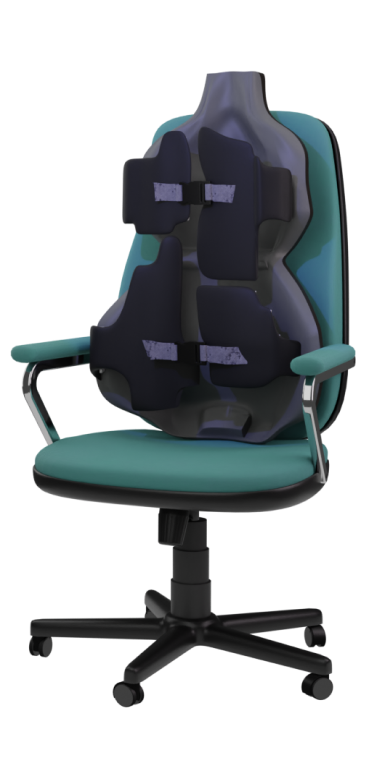
The remaining aim is to enhance the overall fine of lifestyles for customers by supplying the most fulfilling comfort and functionality in numerous seating environments, including car seating, wheelchairs, office chairs, and domestic furniture.
The remaining aim is to enhance the overall fine of lifestyles for customers by supplying the most fulfilling comfort and functionality in numerous seating environments, including car seating, wheelchairs, office chairs, and domestic furniture.
What
Ergonomic seating add-on.
Why
Thesis Project
Category
Medical Product / Medical Accessory /Healthcare.
My Role
I took the lead in designing and prototyping an ergonomic seating add-on for individuals with scoliosis. My focus was on ensuring that the design provided optimal support and comfort. I worked closely with medical professionals and users, iterating the design based on their feedback to make sure it met both functional and comfort requirements.
Software Used
Product
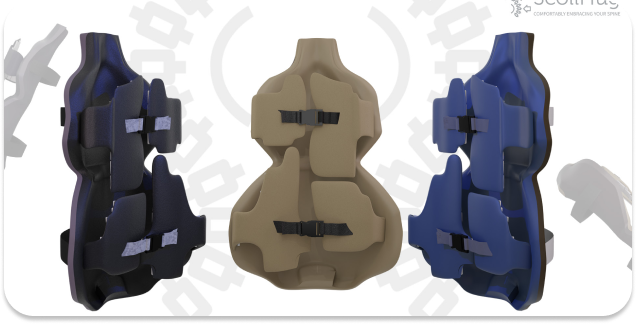
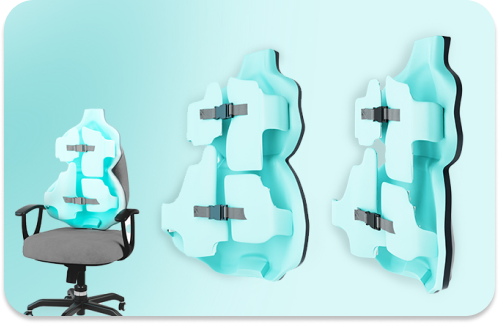
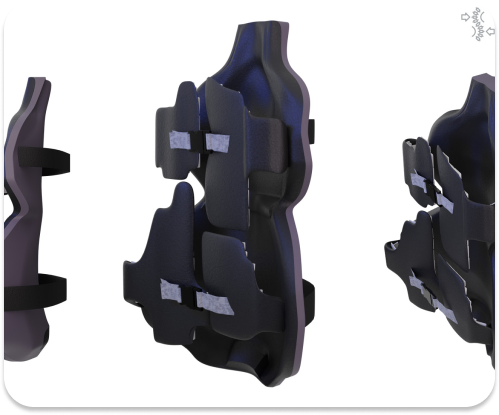
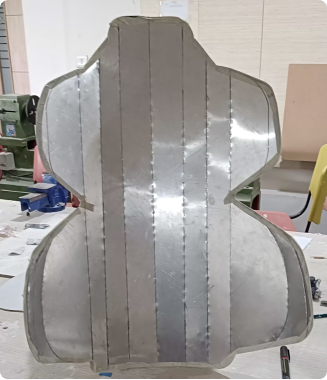
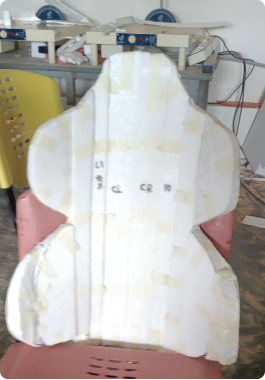
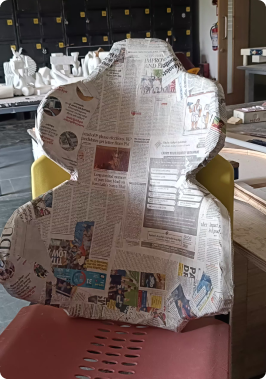
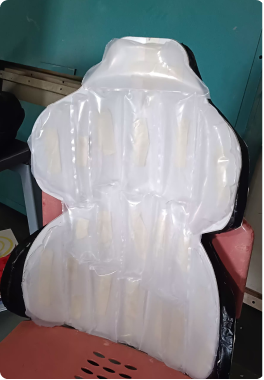
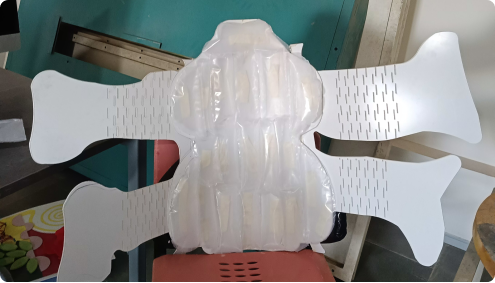
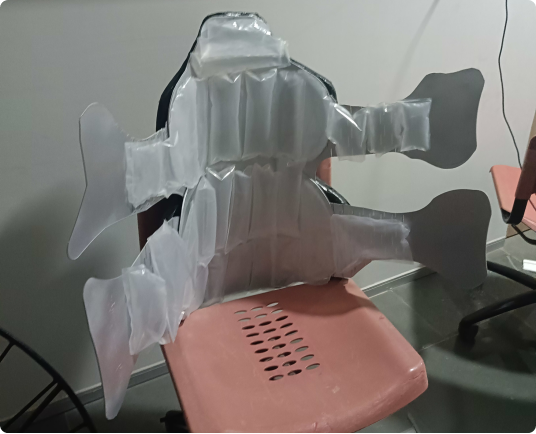
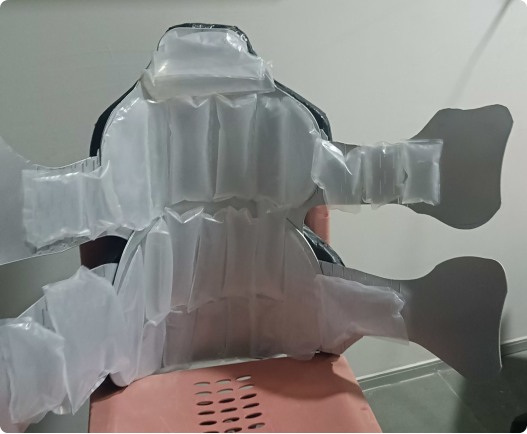
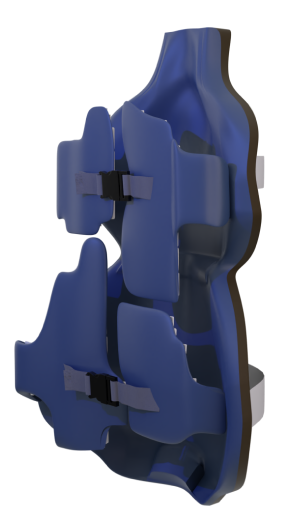
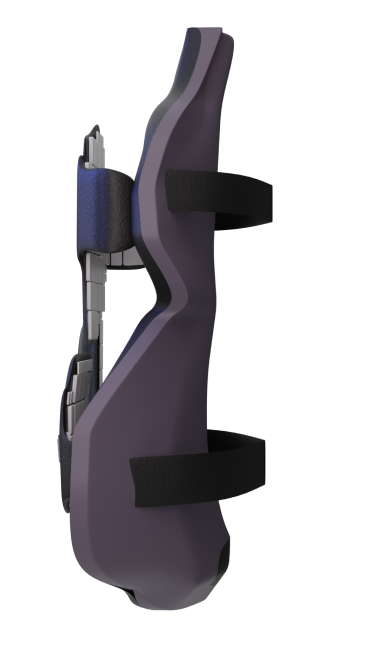
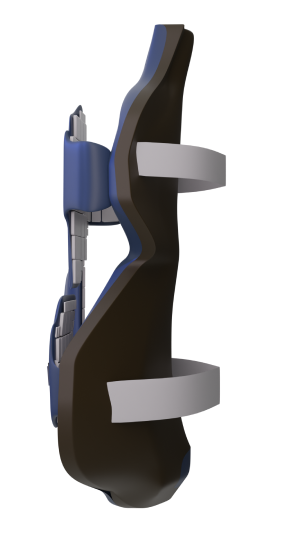
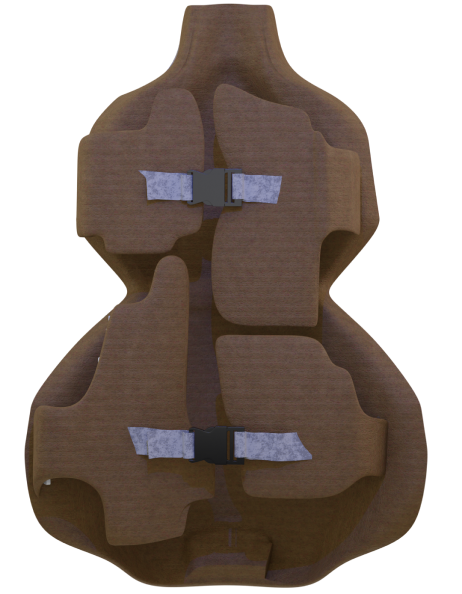
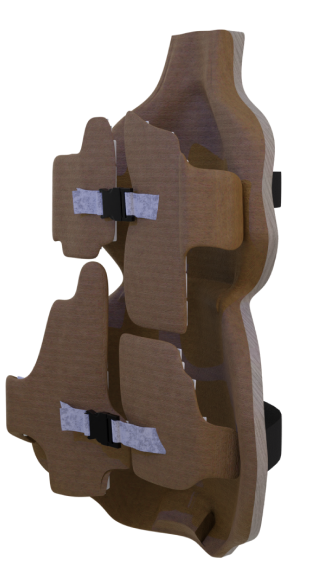
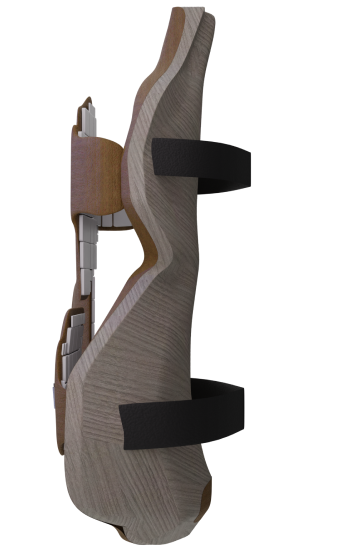
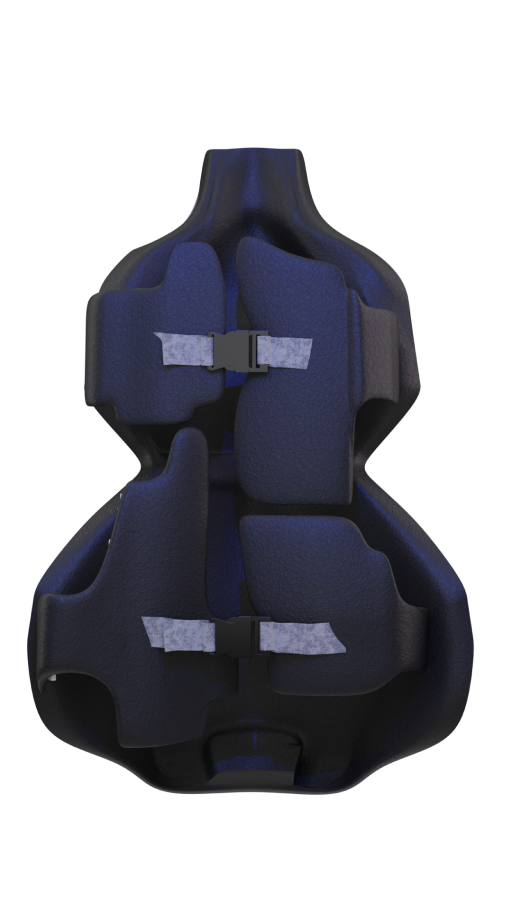
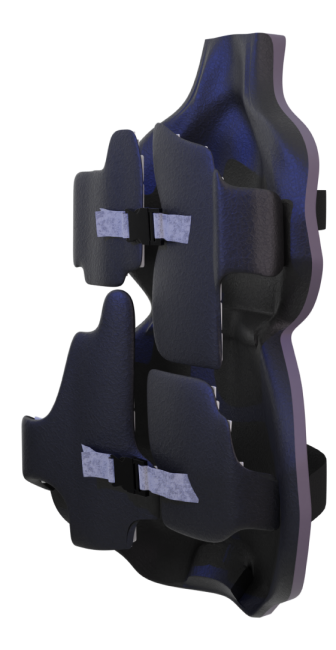
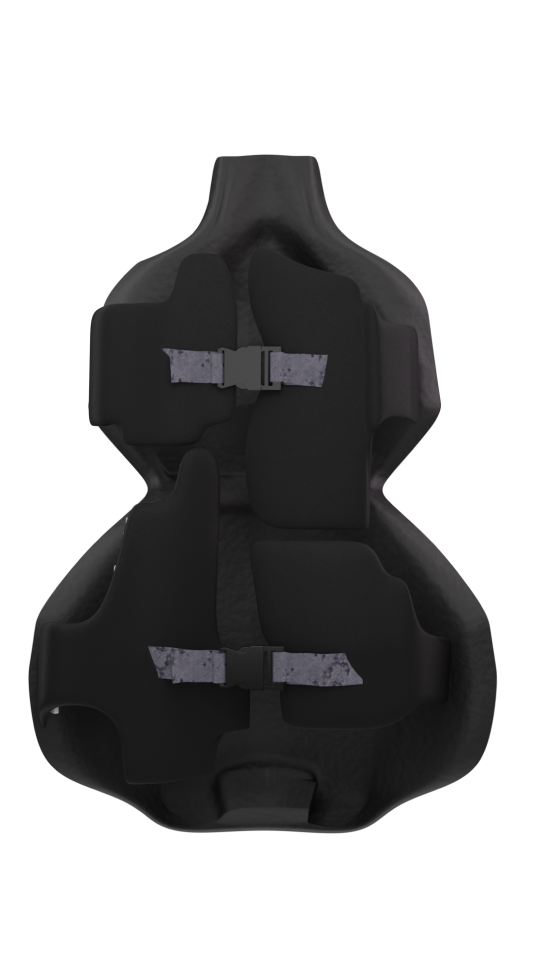
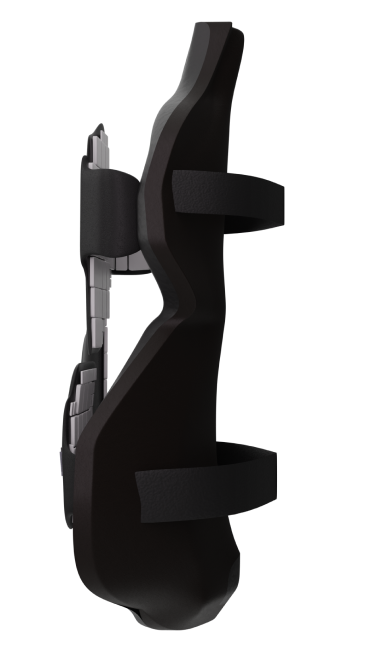
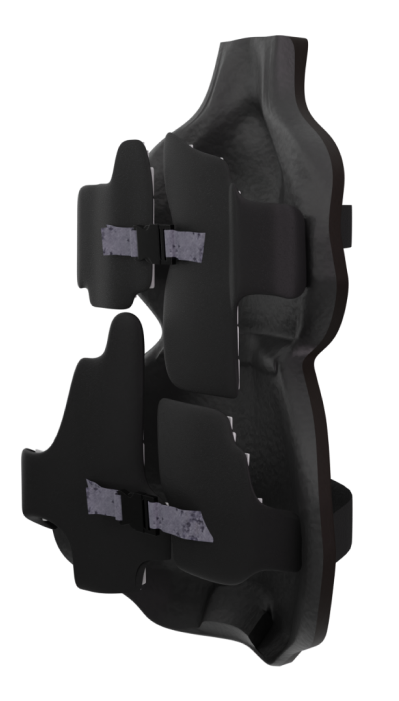
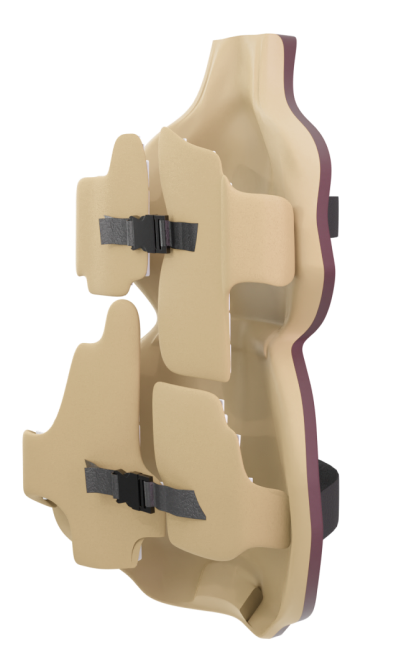
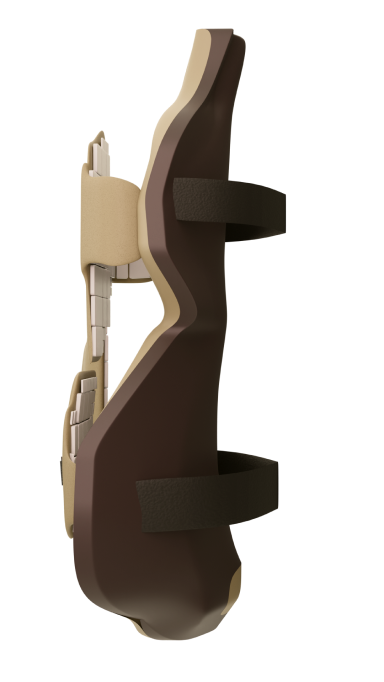
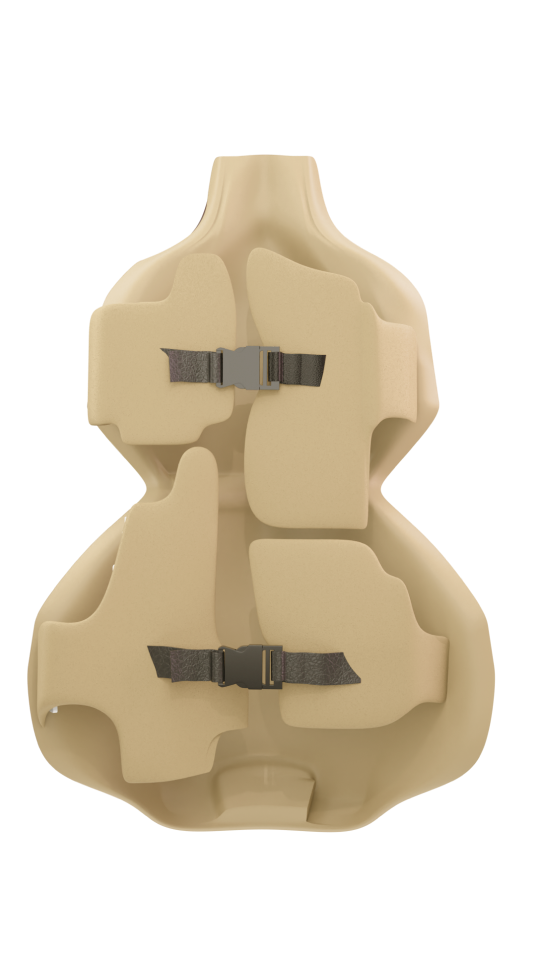
The ScoliHug Backrest is a modern seating accessory designed to provide the best comfort, balance, and help for individuals living with scoliosis. It functions with sensor-integrated inflatable air bubble cushioning and semi-rigid flaps with inflatable air bubble cushioning the flaps that wrap across the user in the shape of a hug, setting the right alignment and posture while minimizing discomfort all through extended sitting. The backrest is lightweight, adjustable, and portable, making it suitable for use in diverse settings such as domestic, office, faculty, and leisure activities.
Research
Scoliosis
- A sideways curvature of the spine.
- Scoliosis occurs most often during the growth spurt just before puberty.
- Most cases are mild with few symptoms. Some children develop spine deformities that get more severe as they grow. Severe scoliosis can be painful and disabling.
- Often, no treatment is necessary. Sometimes a brace or surgery is required.
Types Of Scoliosis
STRUCTURAL SCOLIOSIS
- Involves physical changes to the bones of the spine.
- The spine’s curvature is due to abnormalities in the shape or structure of the vertebrae.
- These changes are typically permanent and may worsen over time without intervention.
- Examples include idiopathic scoliosis, congenital scoliosis, and degenerative scoliosis.
NON- STRUCTURAL SCOLIOSIS
- Does not involve physical changes to the bones of the spine.
- The spine’s curvature is caused by external factors such as muscle spasms, leg length discrepancies, or temporary conditions.
- The curvature is typically temporary and may resolve once the underlying cause is addressed.
- Examples include postural scoliosis and functional scoliosis.
UX Survey
The survey was distributed within our community, targeting individuals between the ages of 18 and above and yielding a total of 120 responses. These responses were crucial in gathering insights for our project, ultimately leading us to a focused conclusion on its impact.


Potential Users
People affected with scoliosis
- 10 to 18 years
- 19 to 34 years
- 35 to 60 years
- Children and adult with Scoliosis: Individuals with abnormal sideways curvature of the spine.
- Elderly Individuals: Who may experience muscle weakness or degeneration

Inspiration Board

Research & Analysis


Ideation Sketches


CMF STUDY
Colour
Tranquil Trust
- #001556 (Dark Blue): Conveys depth, expertise, and stability. Suitable for professional and authoritative designs.
- #234D7B (Mid-tone Blue): Promotes peace and productivity. Great for reducing stress and encouraging focus.
- #001049 (Very Dark Blue): Signifies professionalism and confidence. Ideal for formal and conservative designs.
- #185797 (Bright Blue): Adds friendliness and approach ability while maintaining professionalism. Suitable for customer-facing industries.
- #91C5E9 (Light Blue): Evokes calmness and cleanliness. Perfect for health and wellness products and relaxing environments.

The blues in this palette evoke a sense of trust, intelligence, and calmness. From the deep, authoritative shades to the light, serene tones, these colors are perfect for creating environments that require stability and clarity. They are ideal for corporate settings, educational institutions, tech products, healthcare, and wellness environments.
Elegant Neutrality
- #121214 (Black): Powerful, elegant, and mysterious. Ideal for luxury items and sophisticated design elements.
- #241E27 (Very Dark Grey): A softer approach to black with added depth. Suitable for contemporary and modern designs.
- #2B2E2E (Dark Grey): Conveys professionalism and formality. Works well in corporate settings and neutral design elements.
- #171723 (Very Dark Grey/Black): Associated with elegance and a modern feel. Ideal for high-tech products and minimalist designs.
- #C9CECE (Light Grey): Neutral and calm. Often used as a balanced backdrop in various designs, promoting serenity and professionalism.

The blacks and greys in this palette represent sophistication, balance, and modernity. These colors are versatile and can be used to create sleek, elegant designs that are both powerful and understated. They work well in high-end products, corporate settings, contemporary designs, and backgrounds that need to support other colors without overwhelming them.
Earthy Warmth
- #AC7754 (Light Brown/Tan): Warm and approachable. Suitable for inviting and natural designs.
- #201811 (Very Dark Brown): Grounding and rich. Ideal for products that need to convey stability and a connection to nature.
- #271A11 (Dark Brown): Evokes reliability and tradition. Perfect for classic designs and luxury goods.
- #875535 (Mid-tone Brown): Warm and dependable. Suitable for casual and home decor products.
- #3D281C (Very Dark Brown): Suggests strength and sturdiness. Used in designs that need to feel trustworthy and connected to nature.

The browns in this palette are warm, reliable, and comforting. They evoke feelings of stability, tradition, and a connection to nature. These colors are perfect for designs that aim to be inviting, natural, and grounded. They are suitable for home goods, furniture, lifestyle products, rustic designs, and heritage brands.
CMF STUDY
Material

Cotton Fabric
- Properties: Soft, breathable, and comfortable. Natural and biodegradable.
- Applications: Clothing, upholstery, bedding, and other soft goods.
- Design Thinking: Cotton fabric is associated with comfort, sustainability, and naturalness. It is ideal for products aimed at creating a cozy, Eco-friendly environment.
Carbon Fiber (Flexible)
- Properties: Strong, lightweight, and flexible. Known for its high tensile strength and resistance to deformation.
- Applications: Automotive components, sports equipment, and high-performance goods.
- Design Thinking: Carbon fiber conveys a sense of innovation, strength, and modernity. It is perfect for high-performance, cutting-edge products that require durability and lightweight properties.
CORDURA Ballistic Fabric
- Properties: Extremely durable, abrasion-resistant, and water-repellent. Made from high-tenacity nylon.
- Applications: Military gear, outdoor equipment, luggage, and protective clothing.
- Design Thinking: CORDURA fabric is associated with toughness, reliability, and protection. It is suitable for products that need to withstand harsh conditions and provide long-lasting performance.
Neoprene Fabric
- Properties: Flexible, waterproof, and insulating. Provides good resistance to abrasion and chemicals.
- Applications: Wet suits, protective gear, and industrial products.
- Design Thinking: Neoprene fabric is associated with performance, protection, and versatility. It is ideal for products that require flexibility, durability, and water resistance.
Rubber Latex
- Properties: Highly elastic, waterproof, and durable. Provides excellent grip and shock absorption.
- Applications: Medical products, gloves, sports equipment, and consumer goods.
- Design Thinking: Rubber latex is associated with safety, flexibility, and resilience. It is perfect for products that need to be protective, elastic, and provide a good grip.
ABS Plastics
- Properties: Strong, lightweight, and impact-resistant. Easy to mold and shape.
- Applications: Consumer electronics, automotive parts, and household goods.
- Design Thinking: ABS plastics are associated with durability, versatility, and cost-effectiveness. They are suitable for mass-produced products that require strength and ease of manufacturing.
Wood
- Properties: Natural, warm, and aesthetically pleasing. Can be shaped and finished in various ways.
- Applications: Furniture, home decor, and building materials.
- Design Thinking: Wood is associated with warmth, tradition, and sustainability. It is ideal for products that need to convey a natural, timeless, and eco-friendly appeal.
CMF STUDY
Texture

Fabric Texture
- Description: This texture mimics the appearance of woven fabric, with visible threads and a soft, tactile surface.
- Applications: Used in designs where a sense of warmth, comfort, and approach ability is needed, such as upholstery, clothing, and soft furnishings.
- Design Thinking: Fabric textures add a human touch to designs, making them feel more inviting and cozy. They are suitable for products aimed at creating a homey, comfortable environment.
Grained Texture
- Description: This texture features a rough, uneven surface that mimics the appearance of leather or other natural materials.
- Applications: Commonly used in products that require durability and a premium feel, such as automotive interiors, accessories, and high-end consumer goods.
- Design Thinking: Grained textures convey a sense of luxury and authenticity. They add depth and richness to a product, making it feel more substantial and high-quality.
Patterned Texture
- Description: This texture features a repeating pattern, such as scales or geometric shapes, creating a visually interesting and dynamic surface.
- Applications: Used in designs that require visual interest and differentiation, such as fashion accessories, tech gadgets, and decorative items.
- Design Thinking: Patterned textures can add a layer of complexity and uniqueness to a product. They are effective in catching the eye and making a design stand out.
Product Schematics


Branding
ScoliHug
Experience revolutionary comfort with ScoliHug, the modern solution for individuals with scoliosis. Designed with ergonomic precision, ScoliHug features air bubble cushioning and semi-rigid flaps for optimal stability and support. Lightweight, adjustable, and aesthetically pleasing, ScoliHug blends seamlessly into any environment, providing unparalleled comfort and confidence. Embrace better posture and a brighter future with ScoliHug.


Renders
Graduation Expo



Dine ‘N’ – DIY Chair
DIY Dinning Chair
Do It yourself (DIY) Project | Individual | 2023
Guide - Dr. Saleem Ahmed S

Brief
The contemporary dining environment is evolving to meet the demands of smaller living spaces, frequent relocations, and the increasing preference for customizable home furnishings. Traditional dining furniture often lacks the flexibility, ease of assembly, and aesthetic versatility required by modern consumers. There is a need for dining furniture that not only fits these dynamic lifestyles but also upholds the principles of sustainability and affordability.
What
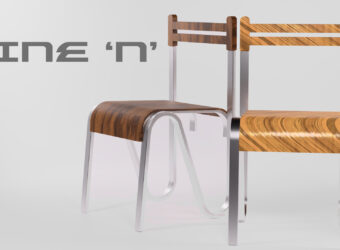
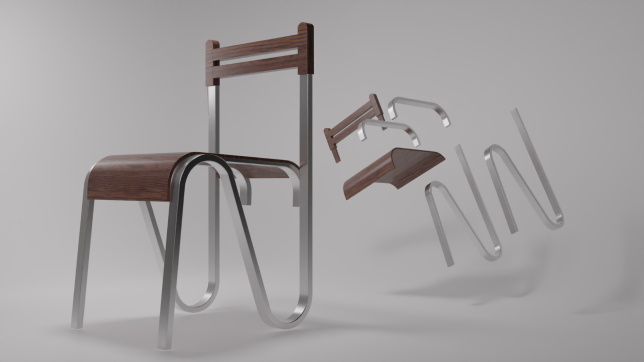
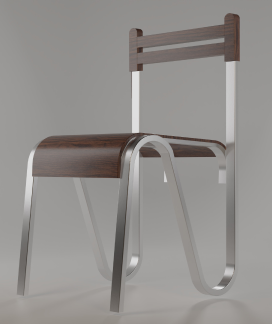
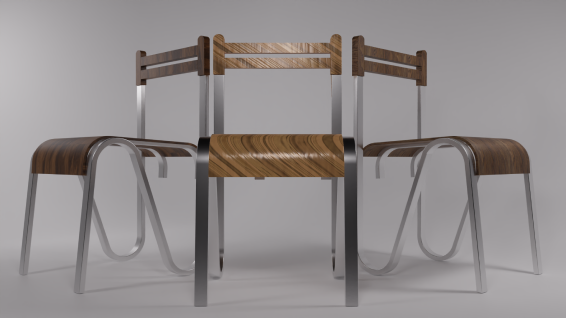
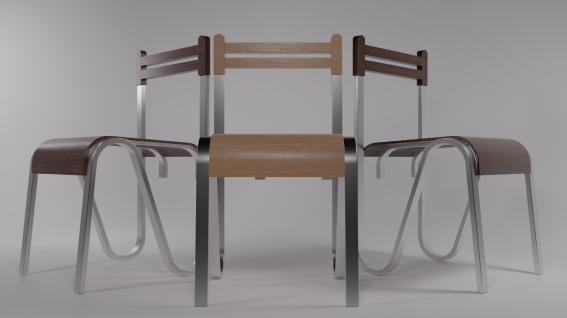
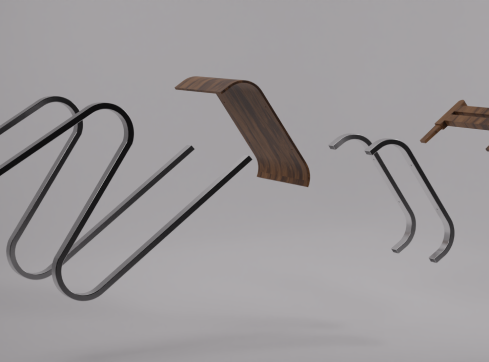
DIY Modular dining chair
Why
Course Project
Category
Furniture Design
My Role
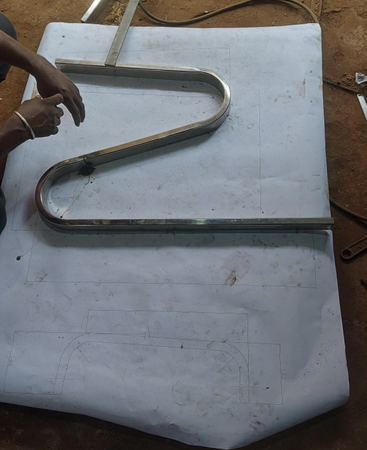
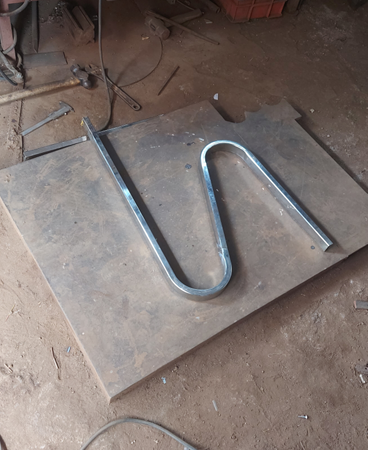
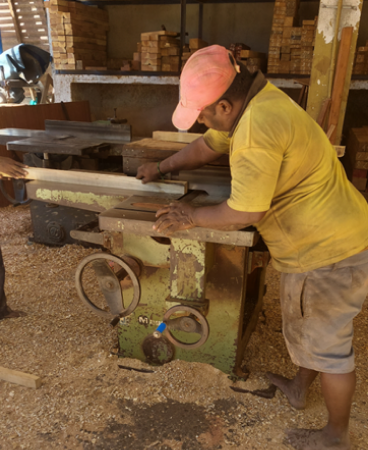
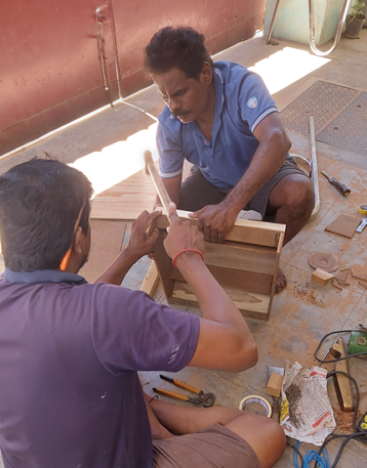
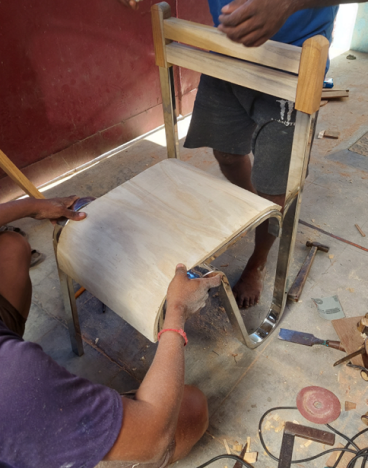
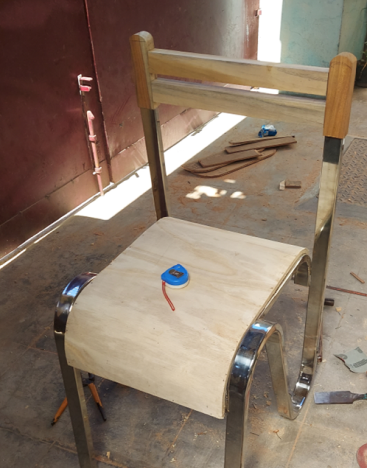
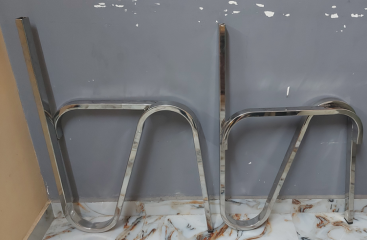
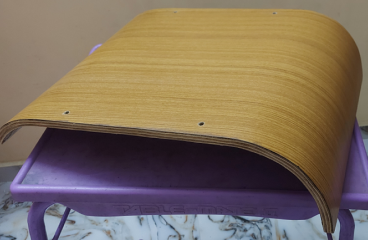
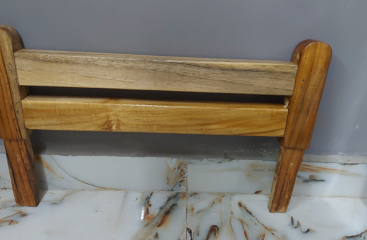
I conceptualized and designed a modular dining chair with ease of assembly and ergonomic considerations in mind. I was deeply involved in the hands-on fabrication process, working with materials like stainless steel and wood to bring the design to life.
Software Used
Problem Statement
Current dining chairs in the market often fail to provide the modularity, ease of assembly, and ergonomic support that modern consumers seek. Additionally, there is a growing demand for furniture that can be easily transported, assembled without specialized tools, and customized to fit various interior design styles. The challenge is to design a dining chair that embodies these qualities while maintaining high standards of durability and comfort.
Research
DIY - Do It Yourself
The Do-It-Yourself (DIY) culture has gained immense popularity in recent years, with individuals seeking creative and cost-effective ways to personalize their living spaces. One area where this trend has made a significant impact is in the realm of furniture design and construction.
Among the various furniture items, the DIY chair stands out as a versatile and functional project that allows individuals to showcase their craftsmanship and create a comfortable seating option tailored to their needs.
Why DIY ?
The Endowment Effect
“Ownership” creates emotional bonds that people don’t want to break
The IKEA Effect
The IKEA effect is a cognitive bias in which consumers place a disproportionately high value on products they partially created. The name refers to Swedish manufacturer and furniture retailer IKEA, which sells many items of furniture that require assembly.

Dining Chair
The most common complaint about dining chairs is that they’re not comfortable. But why are these seats so uncomfortable? This may cause some serious discomfort over time as well as poor posture from having to hunch forward just enough so your head doesn’t hit the top of the chair while still being able to see what you’re working on clearly. Well, a lot of it has to do with the design.
The problem brief focuses on the design, material, and comfort aspects of dining chairs. The objective is to identify and address the pain points and challenges associated with these three key factors to create dining chairs that provide optimal comfort, aesthetic appeal, and durability for users during mealtime.

Problems Faced
- Lack of Comfort
- Limited Style Options
- Cleaning difficulties
- Poor Durability
- Inconsistent aesthetics
Target Audience
- Homeowners
- Interior designers
- Restaurant owners
- Individuals seeking comfortable and stylish seating options for their dining spaces.
Ergonomics for Indian Consumers
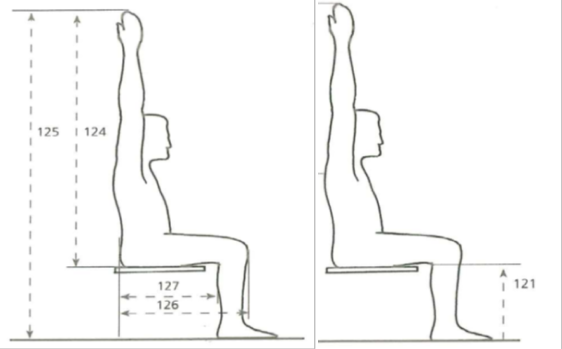
- Seat Height: Adjust the seat height to accommodate the average height of Indian users. The standard seat height for dining chairs is typically around 18 inches (46 cm) from the ground.
- Seat Depth and Width: Ensure the seat depth is comfortable, around 16-18 inches (41-46 cm), and the seat width provides adequate space without being overly large, typically around 18-20 inches (46-51 cm).
- Backrest Angle: The backrest should be slightly reclined, around 100-110 degrees, to provide comfortable support for the lower back.
- Cushioning: Consider optional padding for the seat and backrest for enhanced comfort during prolonged use.
- Foot Support: Ensure the chair’s design allows for comfortable foot placement, with a slightly raised front edge to prevent leg strain.
Needs
- Ergonomic Considerations
- Quality and Longevity
- Maintenance Considerations
- Customization or Modular Options
- Versatility
- Stable and Secure
- Sustainable Materials
Competitor Study

Material Study
SS304 Stainless Steel
- Excellent strength and durability.
- Highly resistant to corrosion (ideal for moisture or spills).
- Non-porous: resists dirt, bacteria, and odors.
- Sleek, modern appearance.
- Can be combined with wood, upholstery, or glass for appealing designs.

Acacia (Babool) Wood
- High strength and durability.
- Hardwood: withstands daily use, shifting weight, and regular movements.
- Distinct grain pattern with varying shades of brown.
- Resistant to wear and tear.
- Versatile: suitable for traditional, modern, or rustic designs.
- Adaptable to various interior design themes.

Flexiply
- Designed to be flexible and moveable into curved shapes.
- Lightweight compared to solid wood or rigid materials.
- Versatile: can be bent, cut, and shaped for unique designs.
- Ideal for ergonomic backrests, armrests, and seat contours.
- Durable and resistant to wear and tear, ensuring a long lifespan.

USP
- Modern Design
- Self Assembly
- Premium Material
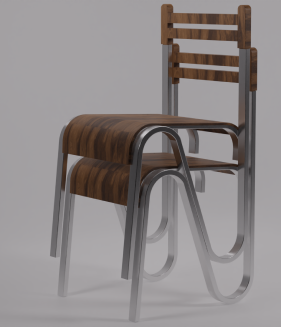
- Stackable
- Ergonomic Design
- Durable
- Versatile
- Minimalism
Design Goals
- User-Centric Design: Conduct user research to understand the needs and preferences of DIY enthusiasts and home decor aficionados.
- Prototyping and Testing: Create multiple prototypes to test for structural integrity, ease of assembly, and user comfort.
- Material Sourcing: Identify and source sustainable materials that align with the design goals.
- Cost Efficiency: Develop a design that is cost-effective to produce, ensuring affordability for a wide range of consumers.
- Market Positioning: Position the chair as an ideal DIY project that combines modern aesthetics with practical functionality, targeting IKEA’s customer base and similar demographics
Ideation Sketches

Final Ideation

Final Render
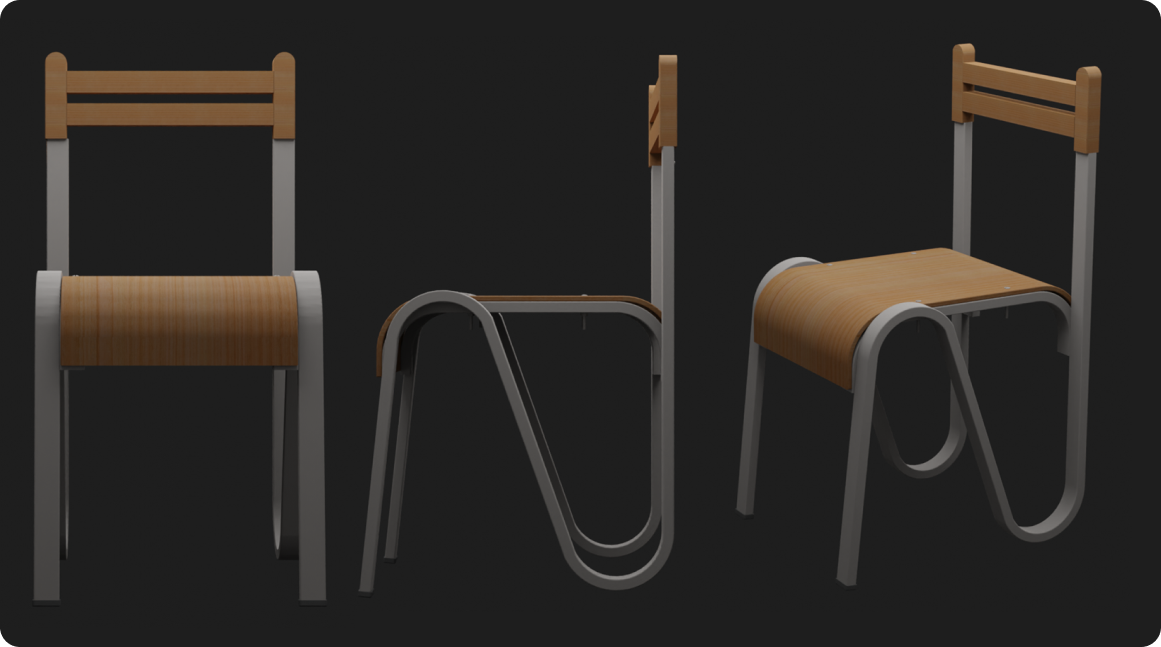
Making of Product
Final Product

Product Specification


Product Specification


User Manaul


Final Render

LK2
A Electric Kettle
Product Detailing Project | Individual | 2022
Guide - Prof. Gowthaman E

Brief
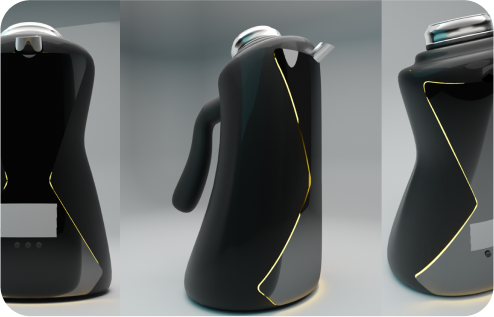
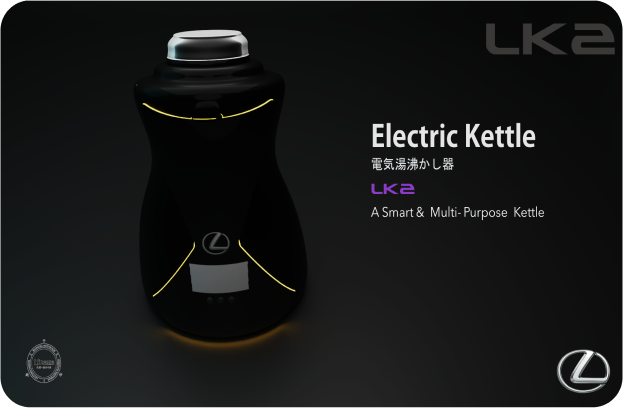
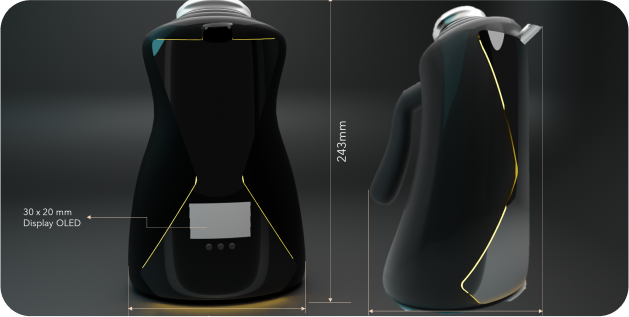
The objective of this project is to design an innovative electric kettle for Lexus that will be launched in the year 2030. The electric kettle should be designed with Lexus's brand image in mind, ensuring that it is aesthetically pleasing and aligns with the company's design philosophy. The kettle should have a unique design that sets it apart from other electric kettles in the market, while still maintaining its functionality
What
Luxury electric kettle.
Why
Course Project
Category
Home Appliances
My Role
I designed a luxury electric kettle, ensuring it aligned with Lexus’s brand philosophy. My role involved integrating smart technology into the design while maintaining a high level of aesthetic appeal.
Software Used
Problem Statement
Electric kettles, while functional, often lack the aesthetic appeal and advanced features that align with premium consumer expectations. Users frequently face issues with temperature control, energy efficiency, and durability. Additionally, current market options often do not integrate seamlessly with the high-end, luxurious environments they are placed in. This project aims to address these issues by conceptualizing an electric kettle that embodies the Lexus design language, bringing luxury, functionality, and advanced technology to everyday kitchen appliances.
Lexus is venturing into the consumer electronics market with its first electric kettle, it is reasonable to assume that their initial focus would be on developing a product that meets or exceeds the existing standards of electric kettles.While it is possible that Lexus could introduce some unique or distinctive features to differentiate their kettle from competitors, it is more likely that their innovation would be built upon the existing foundation of electric kettles rather than introducing a radically new concept.
Research
Brand Study
Lexus
Lexus (レクサス, Rekusasu) is the luxury vehicle division of the Japanese automaker Toyota. The Lexus brand is marketed in more than 90 countries and territories worldwide and is Japan’s largest-selling make of premium car. It has ranked among the 10 largest Japanese global brands in market value. Lexus is headquartered in Nagoya, Japan. Operational centers are located in Brussels, Belgium, and Plano, Texas, United States.
Design Language
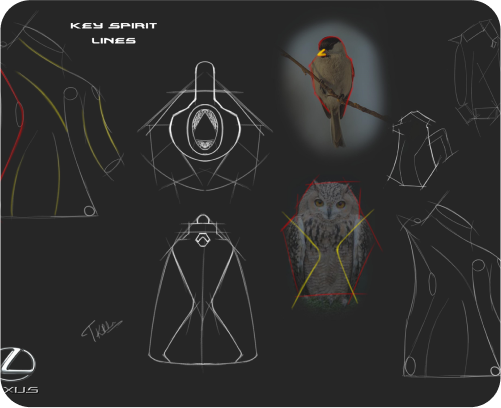
Lexus has a distinct design language that sets its vehicles apart from its competitors. The brand’s design philosophy is known as L-finesse, which emphasizes the use of bold and dynamic lines, a focus on proportions, and a strong sense of harmony and balance.


L-Finesse
The design philosophy that was introduced by Lexus ina 2004 with “leading-edge design and technology applied with finesse”
- Omotenashi
- Incisive Simplicity
- Seamless Anticipation
- Japanese Aesthetics
- Intriguing Elegance
- Globally Distinctive
- Craftsmanship

Key Characteristics
- Spindle grille
- Sharp, angular lines
- Balanced proportions
- Interior craftsmanship

Ideation

CMF Study

Final Ideation

Poster Design


Concept Render


Renders


Product Details



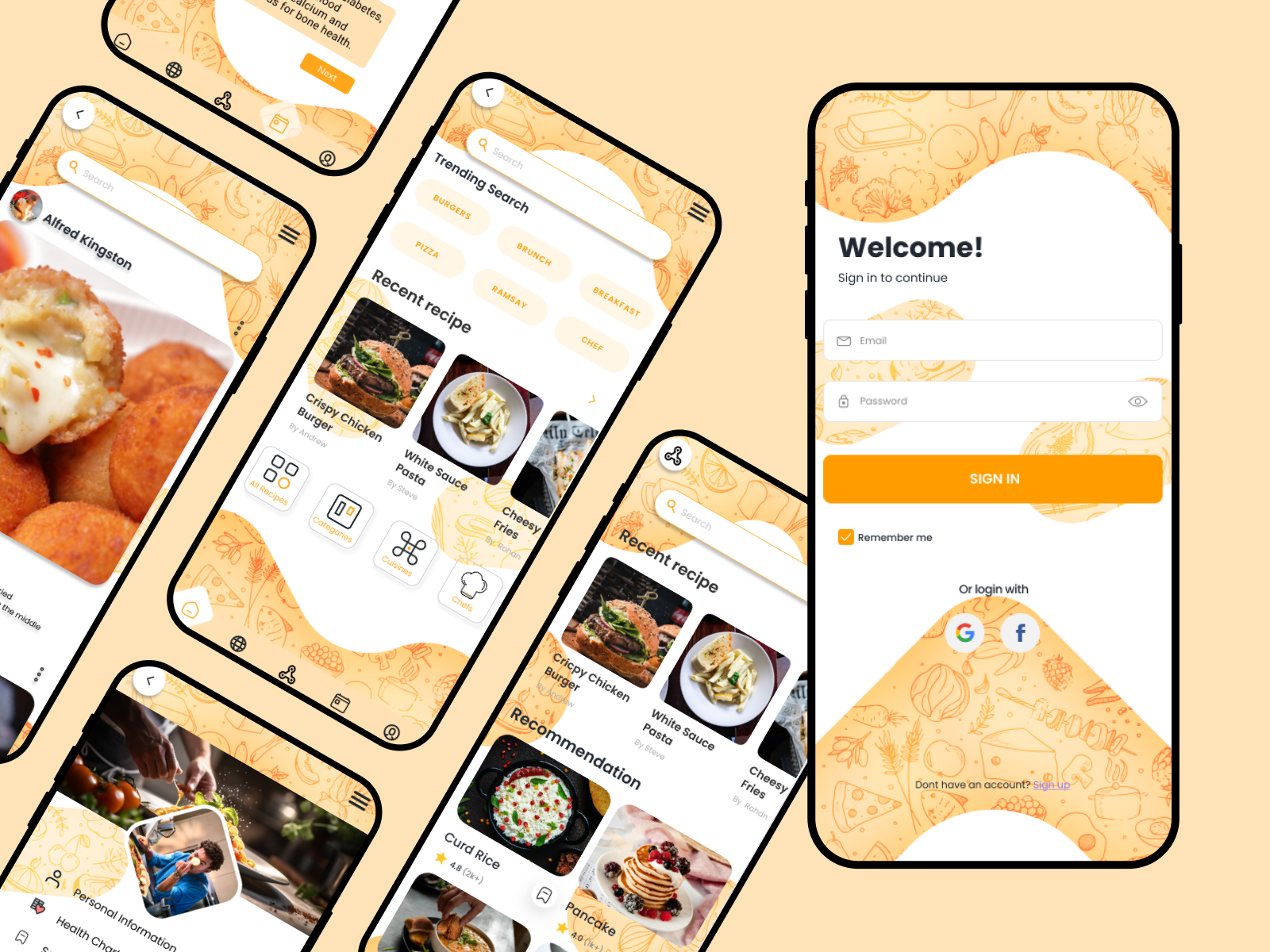
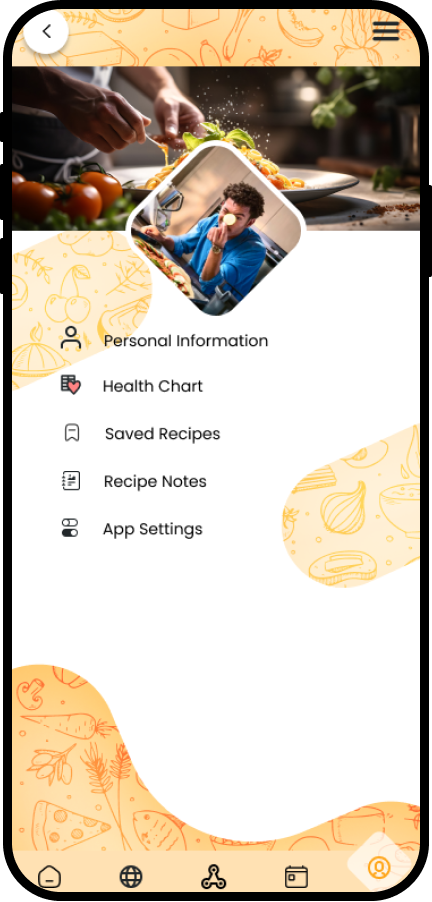
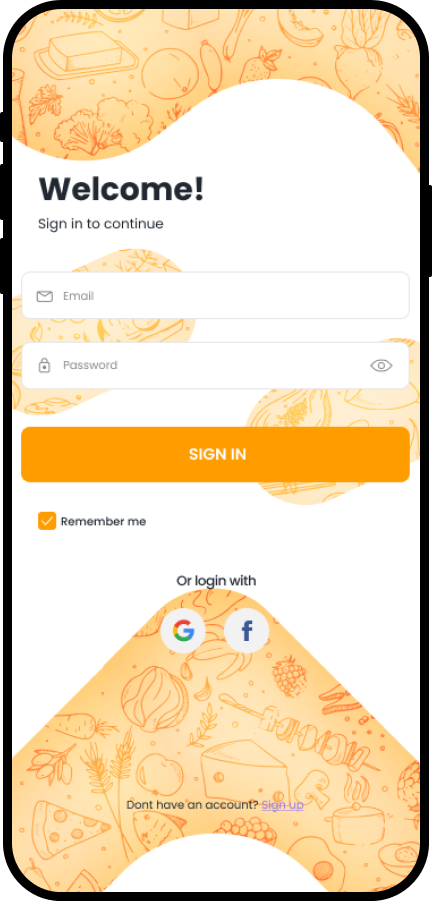
Recipe App
Recipe App
User Experience Design Project | Individual | 2022
Guide - Prof. Ashish Tomar Singh

Brief
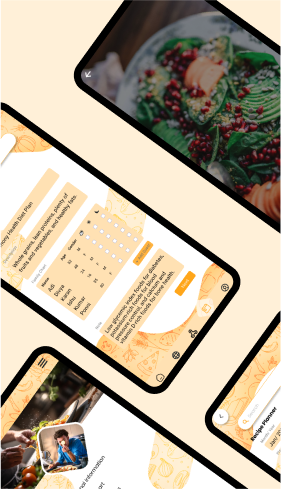
In today’s fast-paced world, home cooking often takes a backseat to busy schedules and convenience focused lifestyles. Despite the availability of numerous recipe apps, many users still struggle to find inspiration and guidance for preparing meals that are both exciting and tailored to their individual dietary needs and preferences.
The challenge is not just about having access to recipes but finding the right ones that align with a user's unique lifestyle, dietary restrictions, and cooking abilities. Existing solutions often fall short in providing a seamless, personalized, and engaging experience, leading to frustration and underutilization.
What
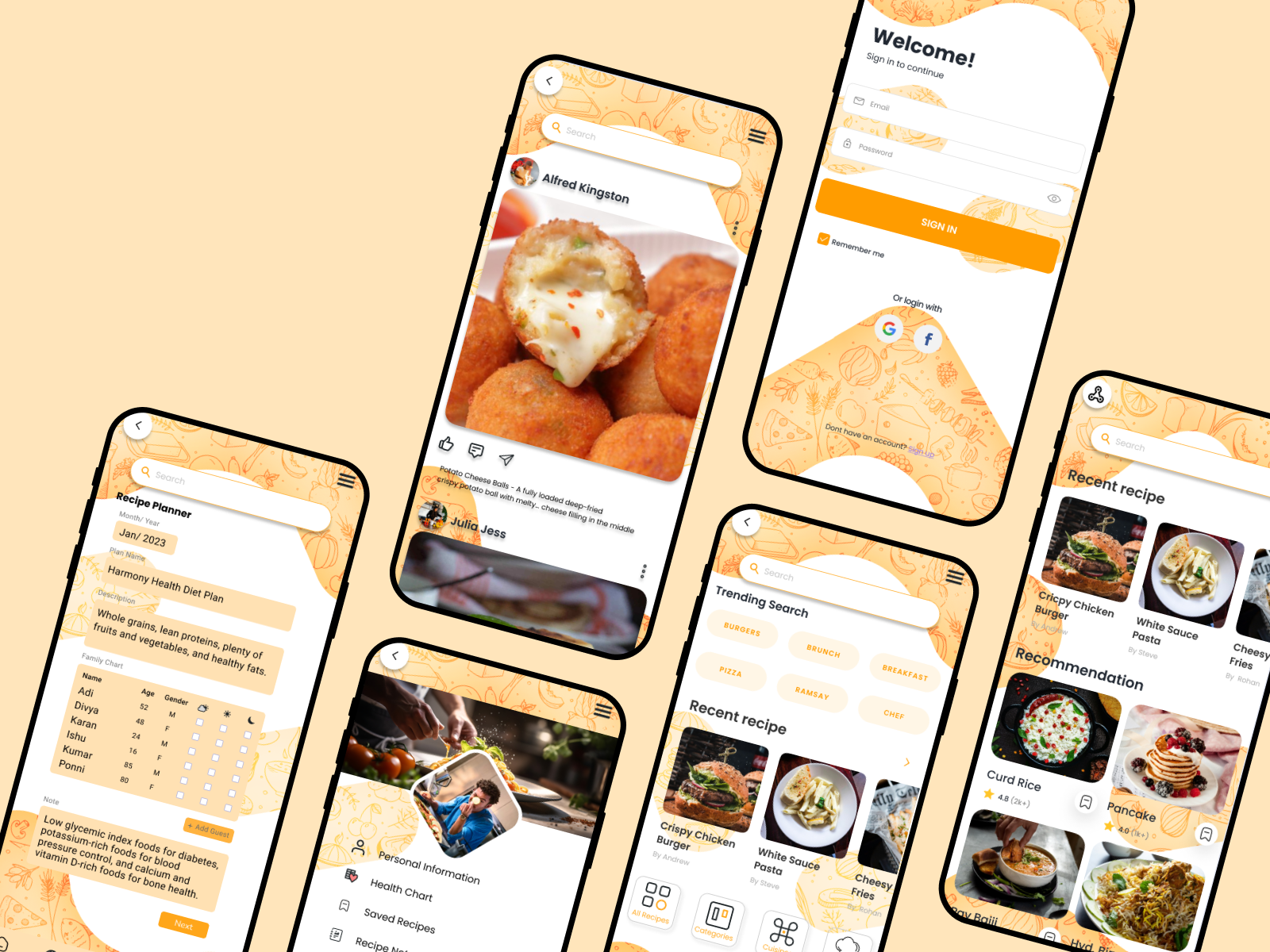
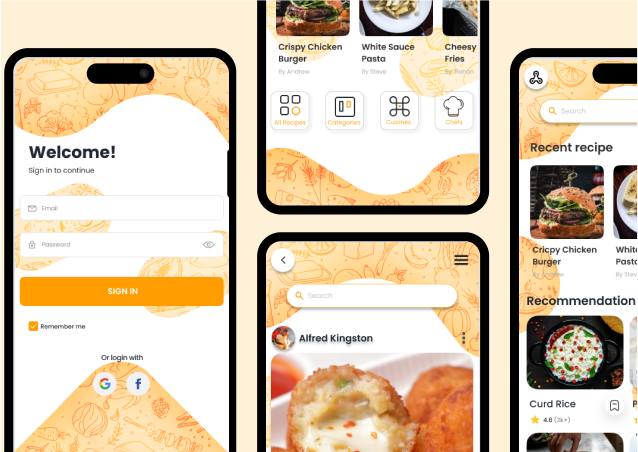
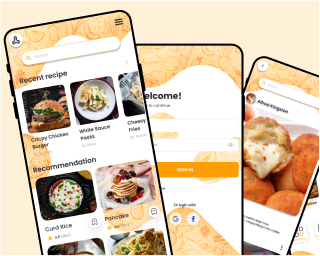
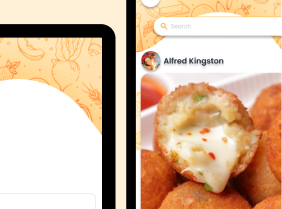
Food Recipe App
Why
Course Project
Category
UX/UI Design
My Role
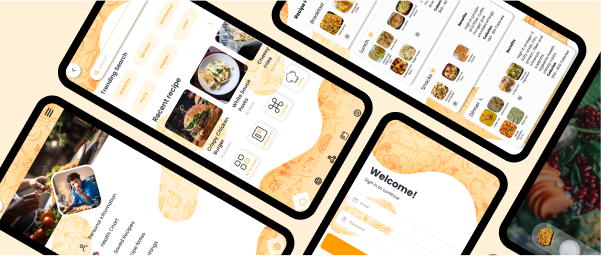
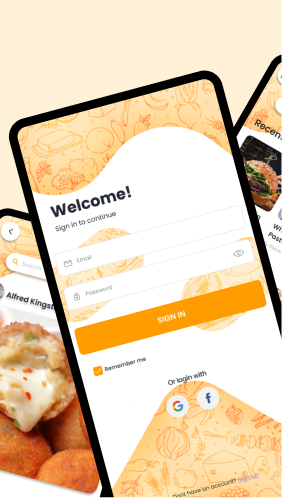
I developed a personalized food recipe app that offers a variety of recipes tailored to users' dietary preferences and time constraints. My role involved user research, app prototyping, and designing the user interface to be intuitive and user-friendly.
Software Used

Problem Statement
Despite the many recipe apps available, users often face significant issues that detract from their cooking experience. These apps frequently lack personalized content, leading to repetitive and uninspiring meals. Their interfaces are often cumbersome, making navigation and meal planning stressful. Additionally, the absence of robust community features prevents users from connecting with other cooking enthusiasts.
Moreover, current apps do not provide effective guidance for complex recipes, practical ingredient substitutions, or customization for individual taste preferences like spice levels. The lack of personalized meal plans considering dietary needs, health inputs, and serving sizes limits their usefulness. Finally, without integrated grocery ordering, users still struggle with last-minute shopping, reducing the overall convenience.
Moreover, current apps do not provide effective guidance for complex recipes, practical ingredient substitutions, or customization for individual taste preferences like spice levels. The lack of personalized meal plans considering dietary needs, health inputs, and serving sizes limits their usefulness. Finally, without integrated grocery ordering, users still struggle with last-minute shopping, reducing the overall convenience.
Crafted Solution
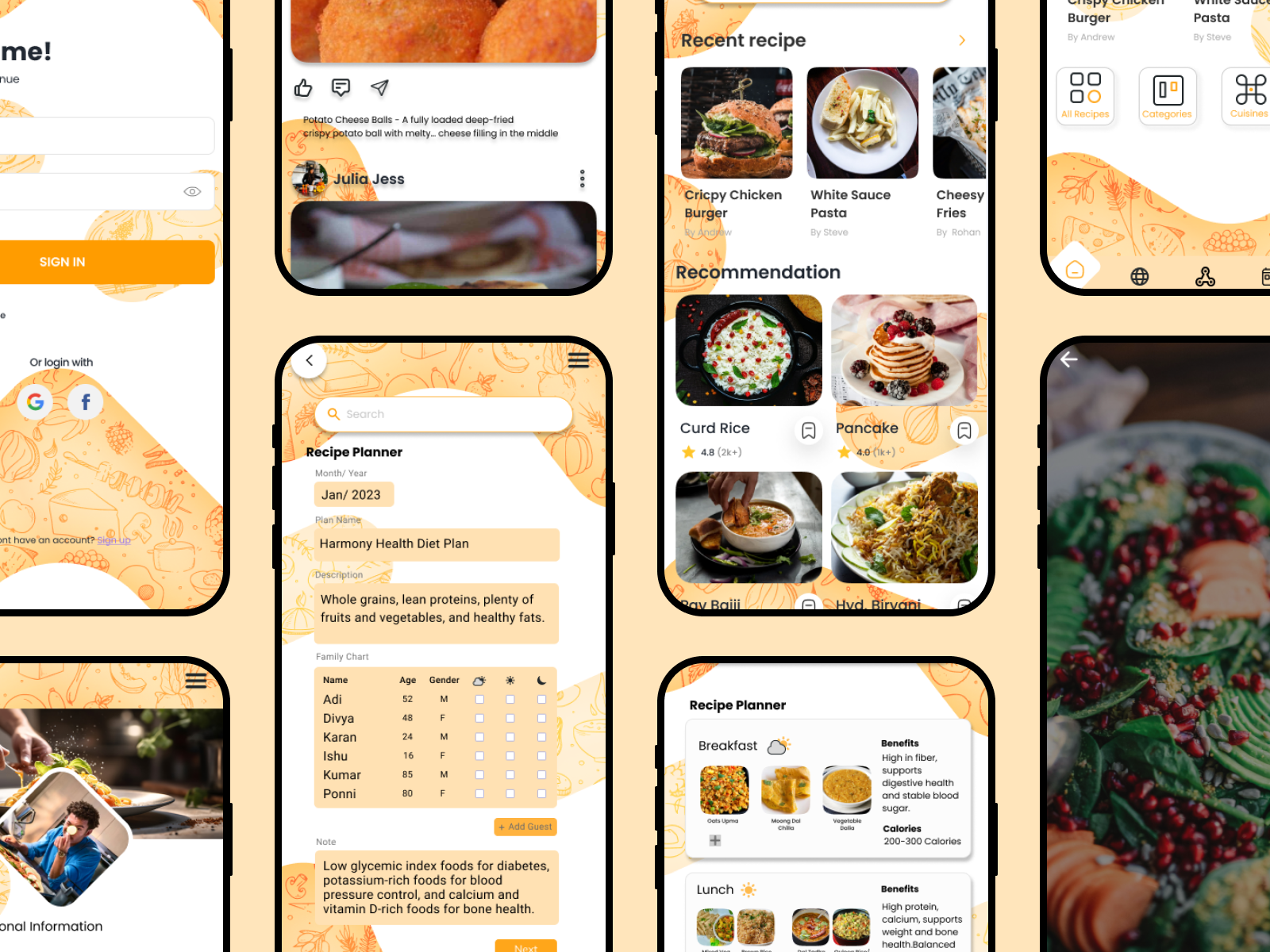
Imagine an app that guides you through recipes with a clear checklist for cooking which is time-consuming. This app suggests ingredients as a substitute for the things that are not in the house and adjusts spice levels based on your preferences. Tailored meal plans consider family health inputs, serving sizes, and dietary needs. You can even pre-order groceries for delivery, making cooking effortless and enjoyable for every occasion.
This is gonna be the be the one-stop solution for all cooking enthusiasts to plan, cook, and stay healthy
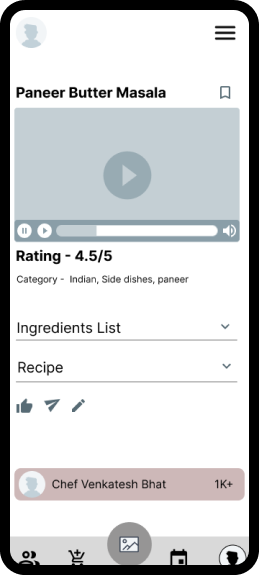
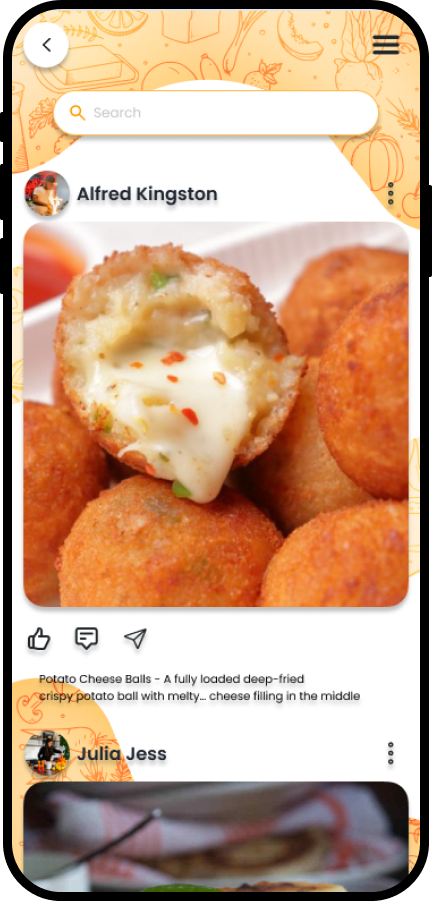
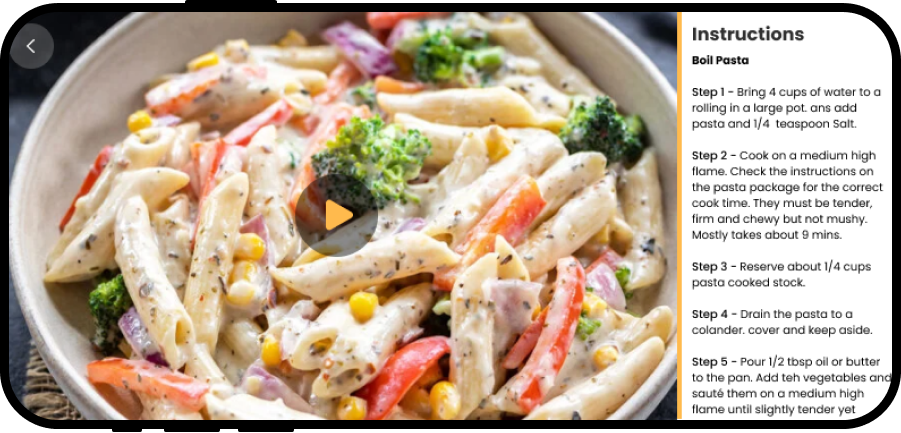
- Step-by-Step Guidance: Navigate complex recipes effortlessly with a clear checklist that breaks down each culinary masterpiece into manageable steps.
- Smart Substitutions: When ingredients run low, our app suggests creative alternatives from your kitchen or local market, ensuring your dish remains flavorful and on track.
- Customizable Spice Levels: Adjust spice intensity with a simple tap, tailoring each bite to suit your unique taste buds and preferences.
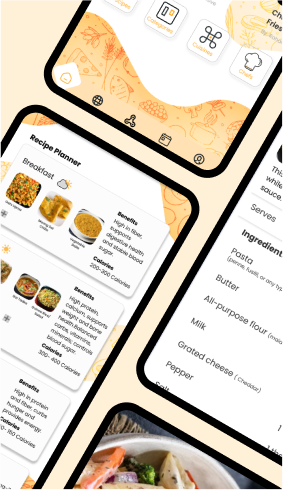
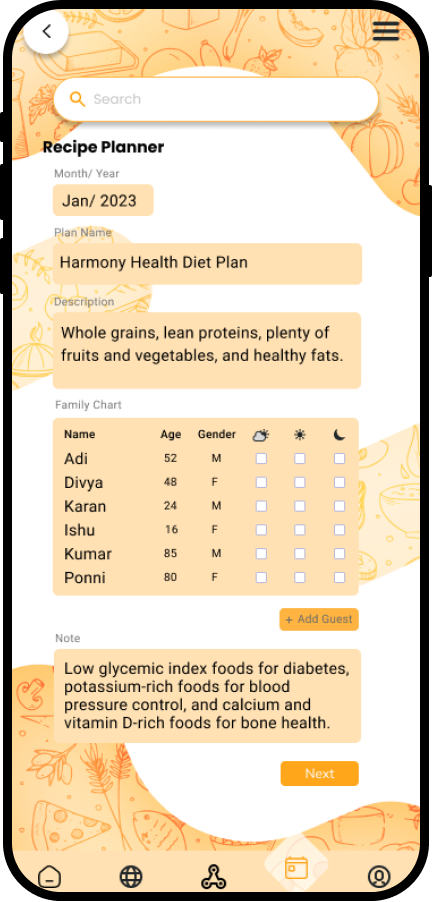
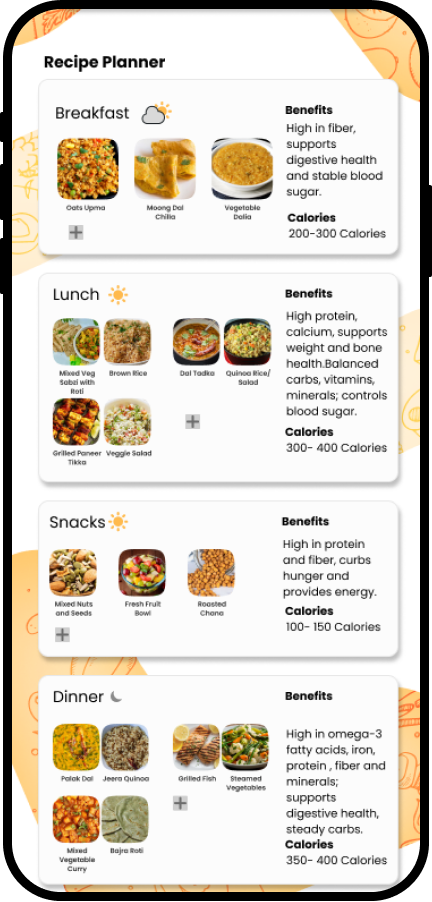
- Tailored Meal Plans: Personalized plans cater to your family’s health inputs, dietary needs, and preferred serving sizes, making every meal a wholesome and satisfying experience.
- Effortless Grocery Ordering: An option to per-order groceries directly through the app for timely delivery, ensuring you have everything you need to cook up a storm without the hassle of last-minute shopping.
Cultivating a better lifestyle...
Empower individuals to embrace a healthier, more enjoyable lifestyle through innovative culinary solutions that prioritize personalized nutrition, effortless meal preparation, and seamless integration into daily routines.
This goal focuses on enhancing quality of life by making healthy eating accessible and enjoyable, seamlessly integrating nutritious meals into everyday life.
Secondary Research
Product study
Product study of food recipe apps can involve analyzing various aspects of the app such as features, user interface, target audience, market analysis, etc. Here are some key areas to focus on:

Features
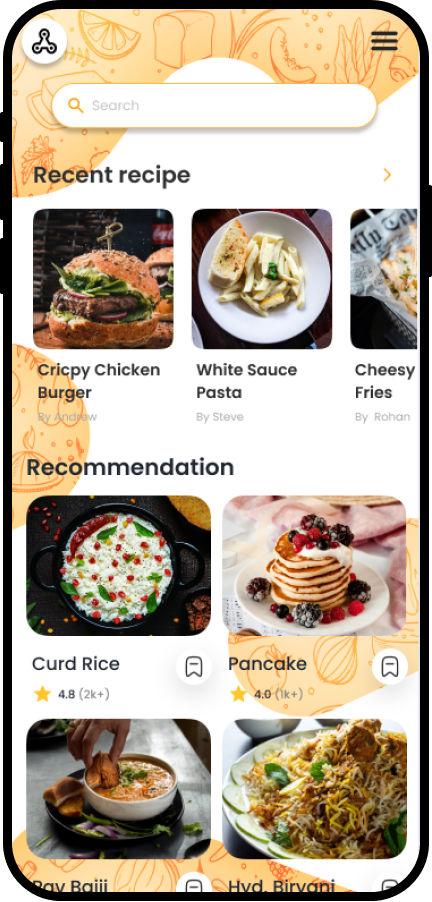
The features of a food recipe app are crucial in determining its popularity and usability. Some essential features that most recipe apps offer include recipe search and filter, step-by-step instructions, cooking time, serving size, ingredient list, nutritional information, and the ability to save and organize recipes. Some apps also provide additional features like personalized recommendations, meal planning, grocery list, and social sharing.

Interface
A user-friendly interface that is easy to navigate and visually appealing is essential for a recipe app. A good food recipe app should have clear and concise instructions with visual aids like photos or videos. The app should also have a simple and intuitive design that allows users to find what they are looking for quickly.

Target Audience
Identifying the target audience of the app is crucial in determining the features, design, and marketing strategy. Some food recipe apps target professional chefs, while others cater to home cooks, novice cooks, or people with specific dietary restrictions. Understanding the target audience helps in tailoring the app’s features, content, and marketing messages to their needs.

Market Analysis
Most recipe apps generate revenue through advertising, in-app purchases, or subscriptions. Advertising can be in the form of display ads or sponsored content. In-app purchases can include premium features or access to a library of exclusive recipes. Subscription-based revenue models provide users with access to premium features or content for a monthly or annual fee.

Market Research
Recipe Apps Market Size And Forecast
- Recipe Apps Market size was valued at USD 342.10 Million in 2020 and is projected to reach USD 1,098.22 Million by 2028, growing at a CAGR of 13.24% from 2021 to 2028.
- A major factor contributing to the growth of the market is Proposing the Interest in Cooking Among the Users. The tendency of Consumers towards Healthy Food and High Costs Related to the same is driving the Market. Furthermore, an increasing Awareness about the Recipe Apps among cooking lovers will drive the Recipe Apps Market in the forecasted period.


Target Audience
The survey was taken through google forms, interviews and observation of users. Total of 113 Google form responses, 17 interviews and 5 observation has been carried out.
- Students
- Work Professionals
- House cooks
- Cooking Enthusiast
- Chefs

Primary Research
Competitive Analysis
To make the food recipe app competitive, it should combine the strengths of the analyzed apps:
- Include recipe suggestions based on available ingredients.
- Provide step-by-step cooking instructions and meal planning.
- Implement features for diet plans, serving size adjustments, and substitute ingredients.
- Offer cooking tutorials and leverage AI assistance to enhance user experience.

Survey
The survey was taken through google forms, interviews and observation of users. Total of 113 Google form responses, 17 interviews and 5 observation has been carried out.

Notable Comments


User Persona

Empathy Map

User Journey Map
Goal: To experience seamless, enjoyable, and interactive cooking experience that simplifies the process of discovering, preparing, and sharing recipes.

Pain Points to Address
- Recipe Complexity:
Issue: Many recipes are complicated and overwhelming, especially for beginners or those trying new dishes. - Missing Ingredients:
Issue: Lack of specific ingredients can halt or complicate meal preparation. - Unpredictable Flavor Preferences:
Issue: Recipes often don’t align with individual taste preferences, particularly regarding spice levels. - Complex Meal Planning:
Issue: Planning meals that meet diverse dietary needs and health goals is challenging and time-consuming. - Grocery Shopping Hassles:
Issue: Running out of ingredients or the need for last-minute shopping disrupts the cooking process and adds stress.
Add Your Heading Text Here


Potential Success Metrics

Brand Perception
The brand perception of a food recipe app plays a crucial role in attracting and retaining users. It encompasses how users perceive and connect with the app, its values, and the overall experience it provides. Here are some key aspects that contribute to shaping the brand perception of a food recipe app:

Task Flow
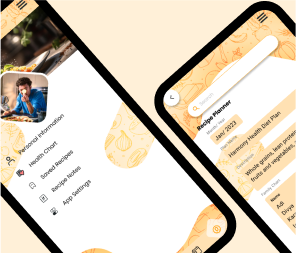
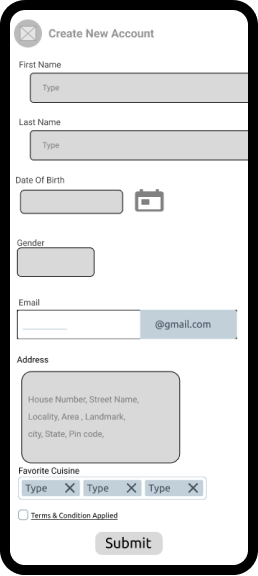
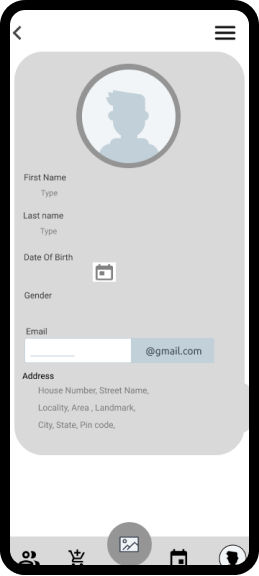
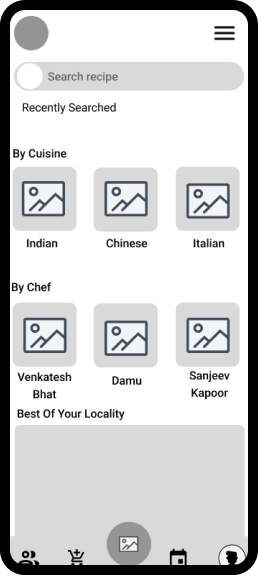
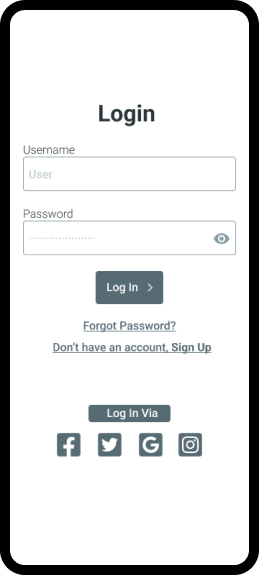
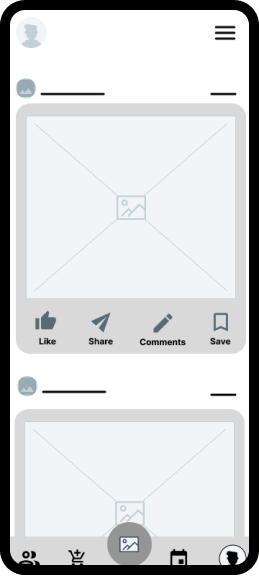
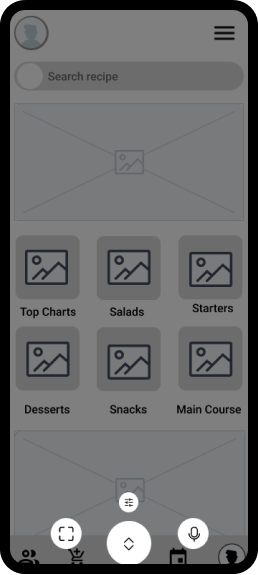
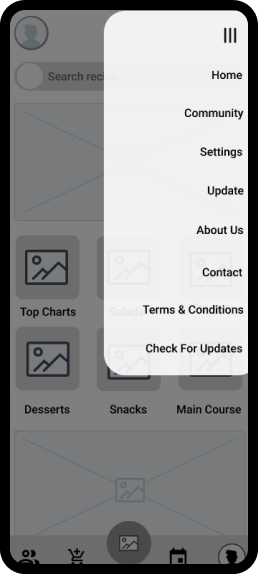
Task Flow 1 – To select an recipe ( vegetarian and Lactose free)

Task Flow 2 – To create an Meal Planner based on family chart in the App which also contain the health needs of each person

Task Flow
User Flow 1 – To select an recipe ( vegetarian and Lactose free)

Task Flow 2 – To create an Meal Planner based on family chart in the App which also contain the health needs of each person

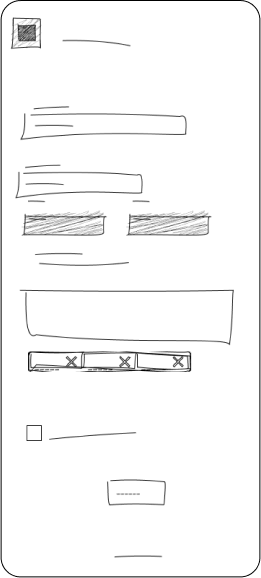
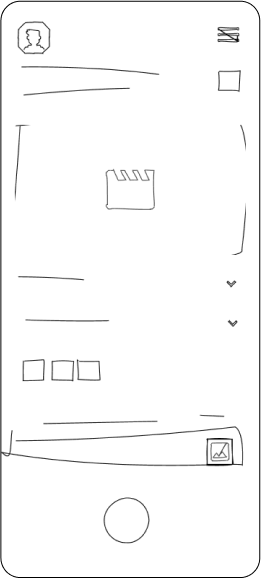
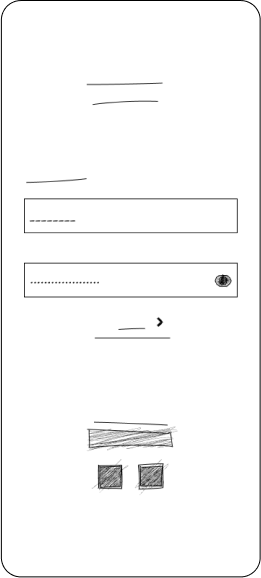
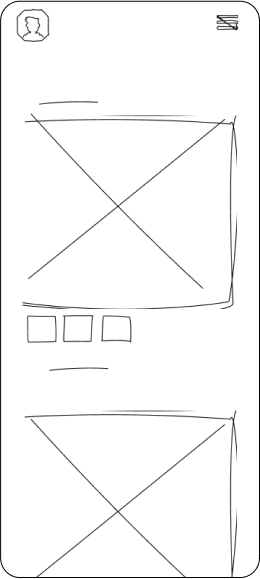
Information Architecture


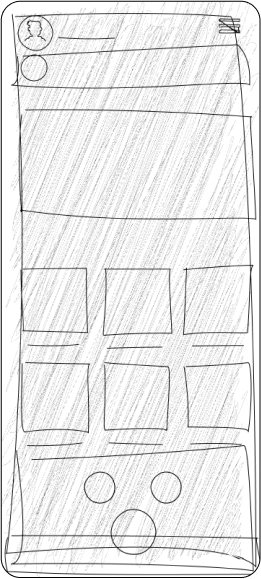
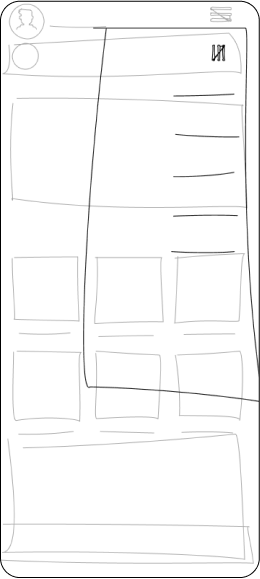
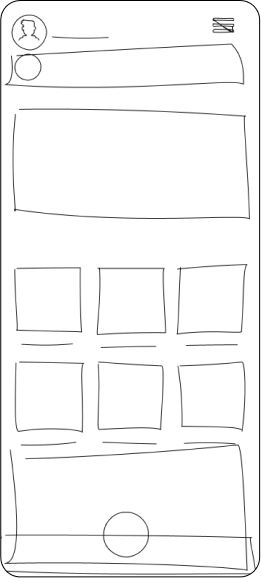
Style Guide
Colour Pallette


Typography

Icons & Assets


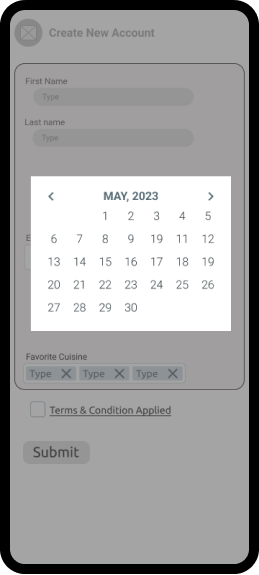
Heuristics Evaluation





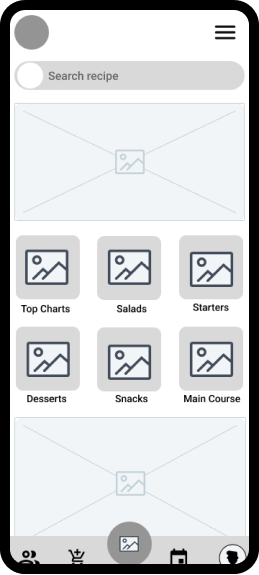

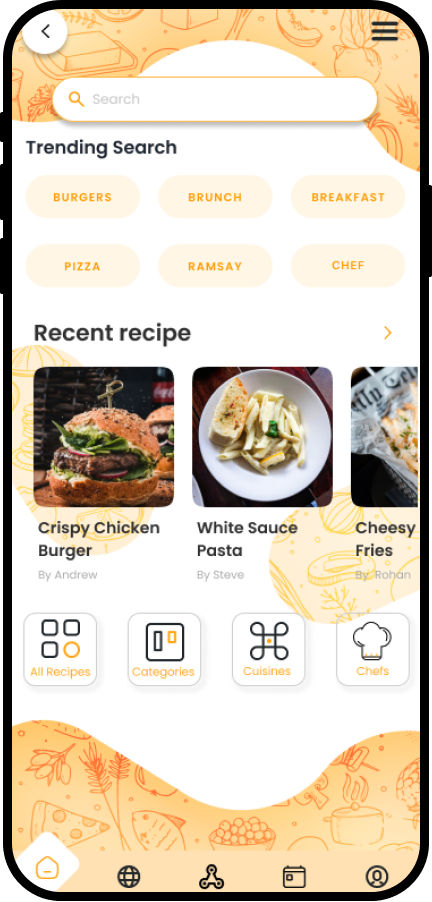
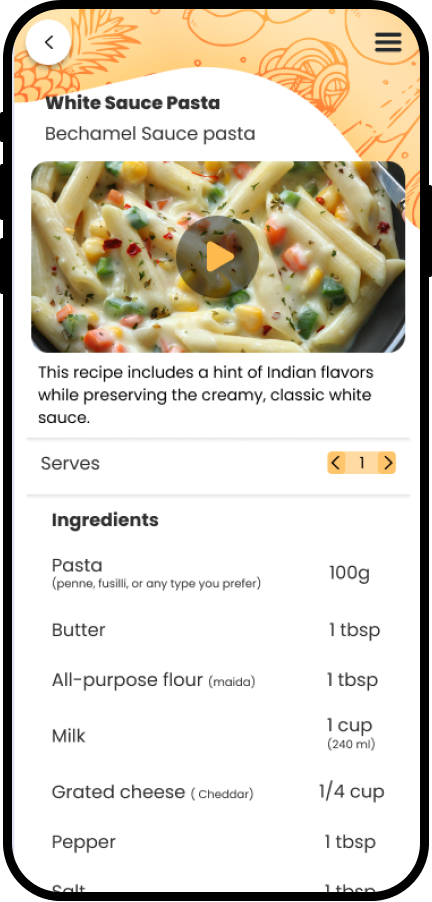











Socius
Braille Stylus
Design Methodology Project | Individual | 2022
Guide - Prof. Solomon

Brief
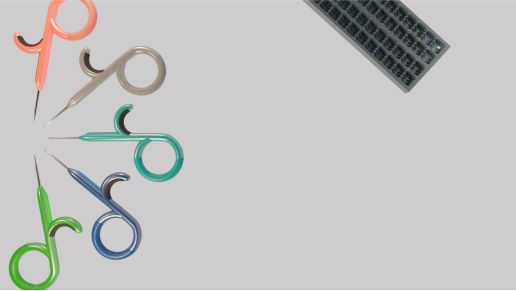
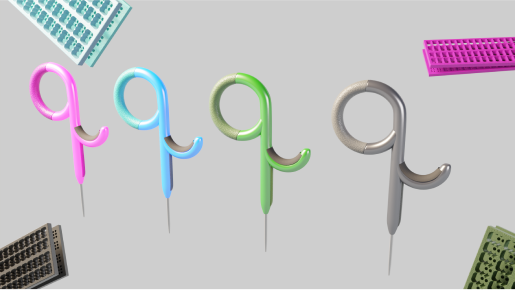
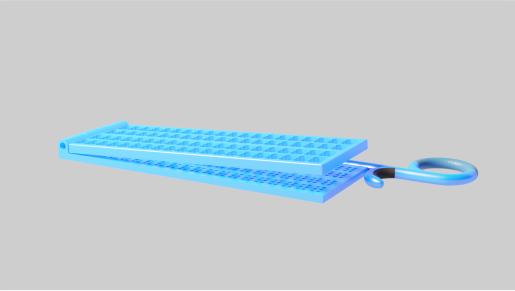
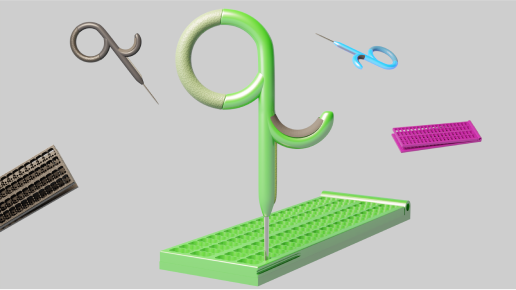
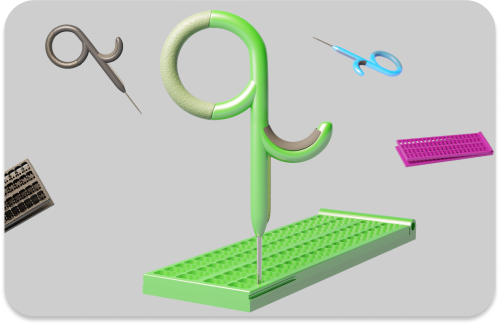
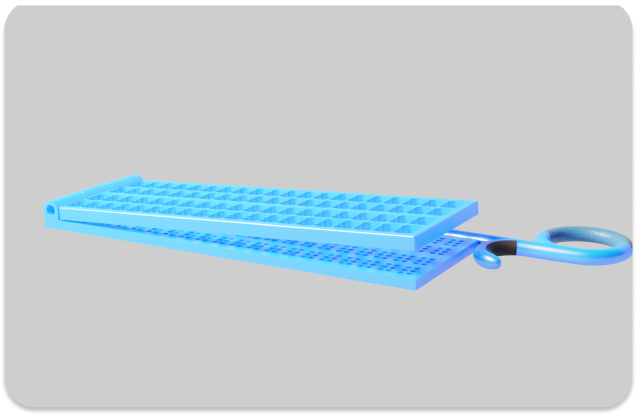
The Socius Braille Stylus redefines the tactile writing experience for individuals with visual impairments, focusing on ergonomic feasibility and user comfort. Designed with a sleek, lightweight body, Socius ensures a comfortable grip that minimizes hand fatigue during extended use. Its intuitive shape conforms to the natural contours of the hand, promoting ease of handling and precise control. The stylus also features tactile markers and textured surfaces to aid in navigation and identification of key points.
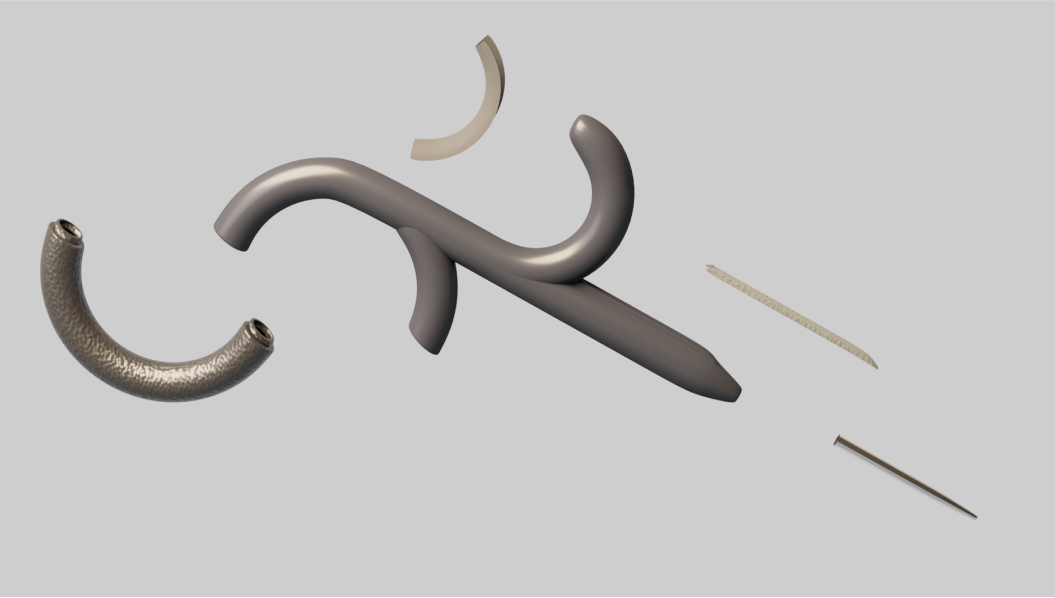
The standout feature of Socius is its customizable grain balls that can be personalized to produce specific sound frequencies, enhancing both the tactile and auditory feedback for users. This innovative design not only improves ergonomic comfort and interaction with Braille devices but also promotes inclusivity by addressing the unique needs of individuals with visual challenges.
The standout feature of Socius is its customizable grain balls that can be personalized to produce specific sound frequencies, enhancing both the tactile and auditory feedback for users. This innovative design not only improves ergonomic comfort and interaction with Braille devices but also promotes inclusivity by addressing the unique needs of individuals with visual challenges.
What
Ergonomic Braille stylus.
Why
Course Project
Category
Product Design
My Role
I redesigned a Braille stylus to improve its ergonomic feasibility and user comfort for individuals with visual impairments. My focus was on minimizing hand fatigue and incorporating tactile markers to enhance navigation during use.
Software Used


Problem Statement
Traditional lids often make it challenging to find a suitable spot for hot utensils like spatulas, ladles, and skimmers. This leads to unhygienic practices and cluttered cooking spaces. There is a need for an innovative solution that seamlessly integrates with the vessel design, offering a convenient and hygienic spot for hot utensils during cooking and serving.
Features
- Ergonomic Design: Optimize the stylus for comfort and efficiency, minimizing hand fatigue and ensuring a universal grip that suits diverse hand sizes.
Enhanced Tactile Navigation: Implement tactile markers and textured surfaces to aid in navigation and identification, promoting intuitive interaction with Braille devices.
Customizable Feedback: Integrate small grain balls customizable for personalized sound frequencies, enhancing the tactile and auditory feedback for users.
Precision and Control: Ensure the design maintains the precision required for accurate Braille writing while balancing ergonomic improvements.
Outcomes
- The Socius Braille Stylus delivers a user-friendly, universally accessible solution that significantly improves the writing experience for visually impaired individuals. By prioritizing ergonomic design, innovative features, and user-centric feedback, Socius promotes inclusivity and enhances the overall interaction with Braille devices. This project aims to set a new standard in Braille stylus design, fostering a more comfortable, efficient, and enjoyable writing process for users.
Ideation

Mock up

Mock up